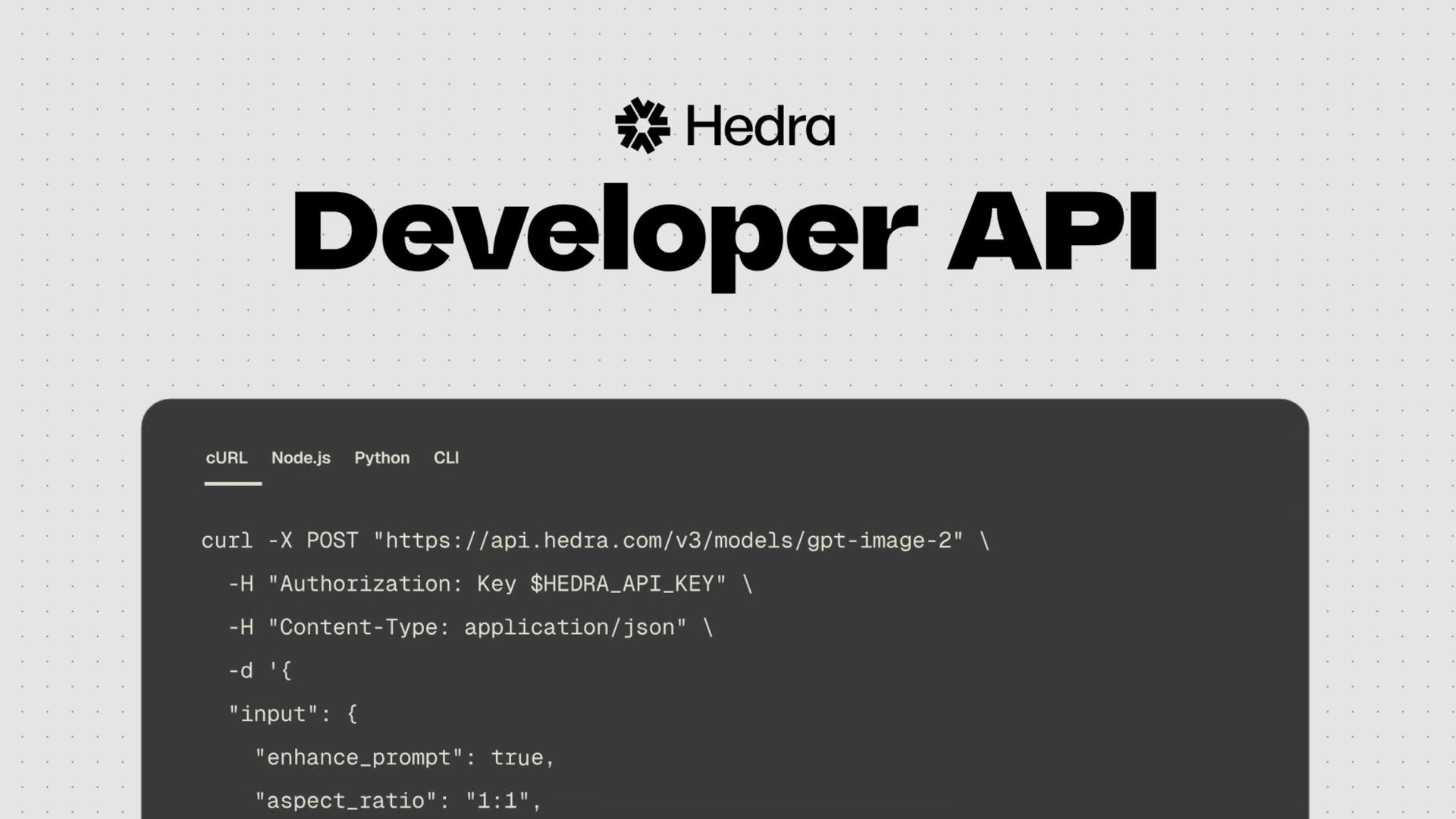
· Product updates
The Hedra Developer API: models, SDKs, MCP and the console in one place
The October 2026 developer-platform announcement. For current setup and model support, use the documentation.
Read article
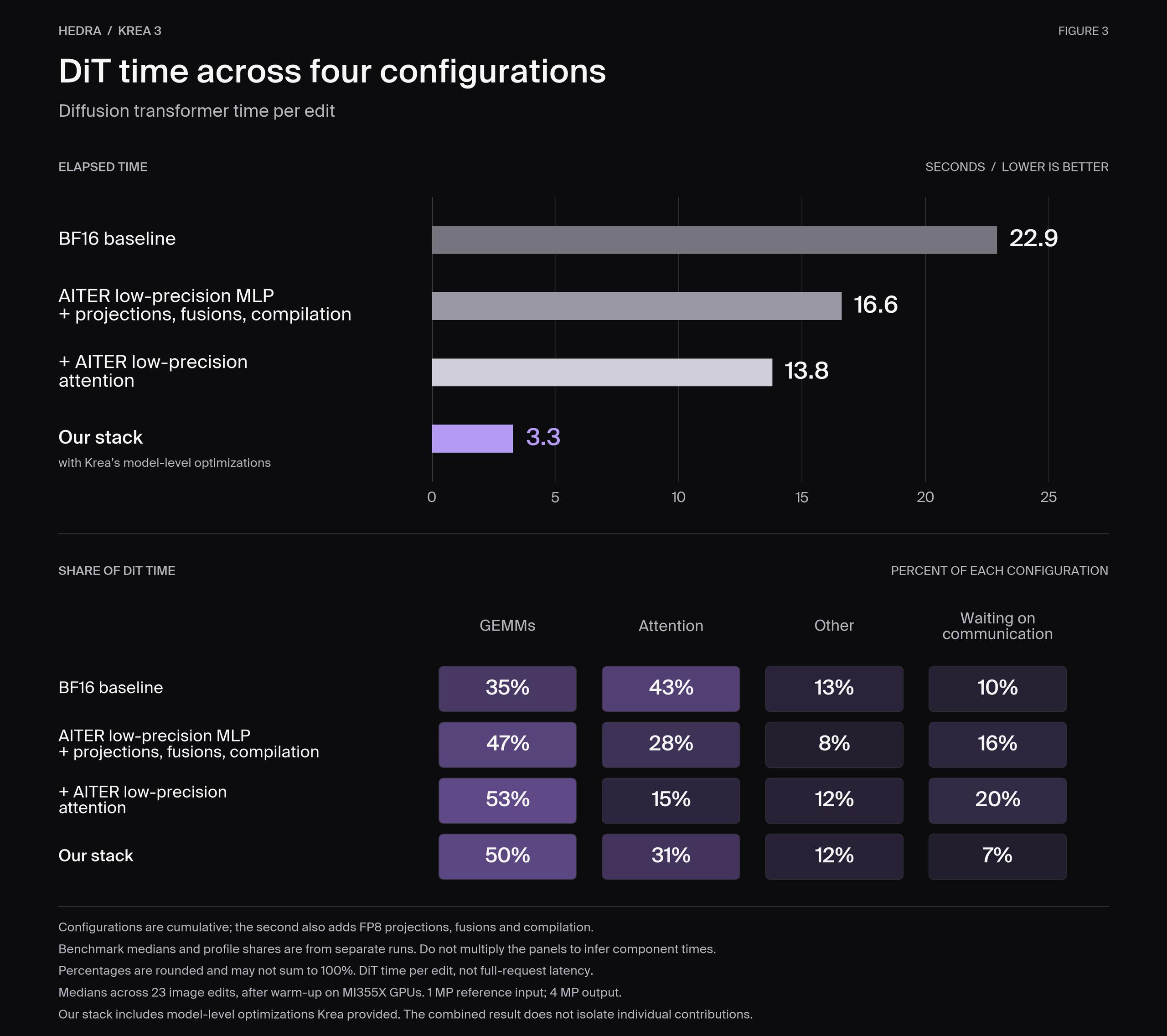
Figure 3. Diffusion transformer time per edit and each configuration’s reported profile shares. Each configuration adds to the previous; the second also adds FP8 QKV and output projections, output-projection gate and RMSNorm fusions, and compilation. Benchmark medians and profile shares are from separate runs, so multiplying the two does not give component times. Percentages are rounded and may not sum to 100%. These are DiT timings, not full-request latency. Times are medians across 23 image edits supplied by Krea, measured after warm-up on MI355X GPUs with a 1 MP reference input and a 4 MP output.
Gene Kang, Terrance Wang, Michael Loh
Numerical precision, GPU kernels and communication choices behind Krea 3’s image-editing inference.
The October 2026 developer-platform announcement. For current setup and model support, use the documentation.
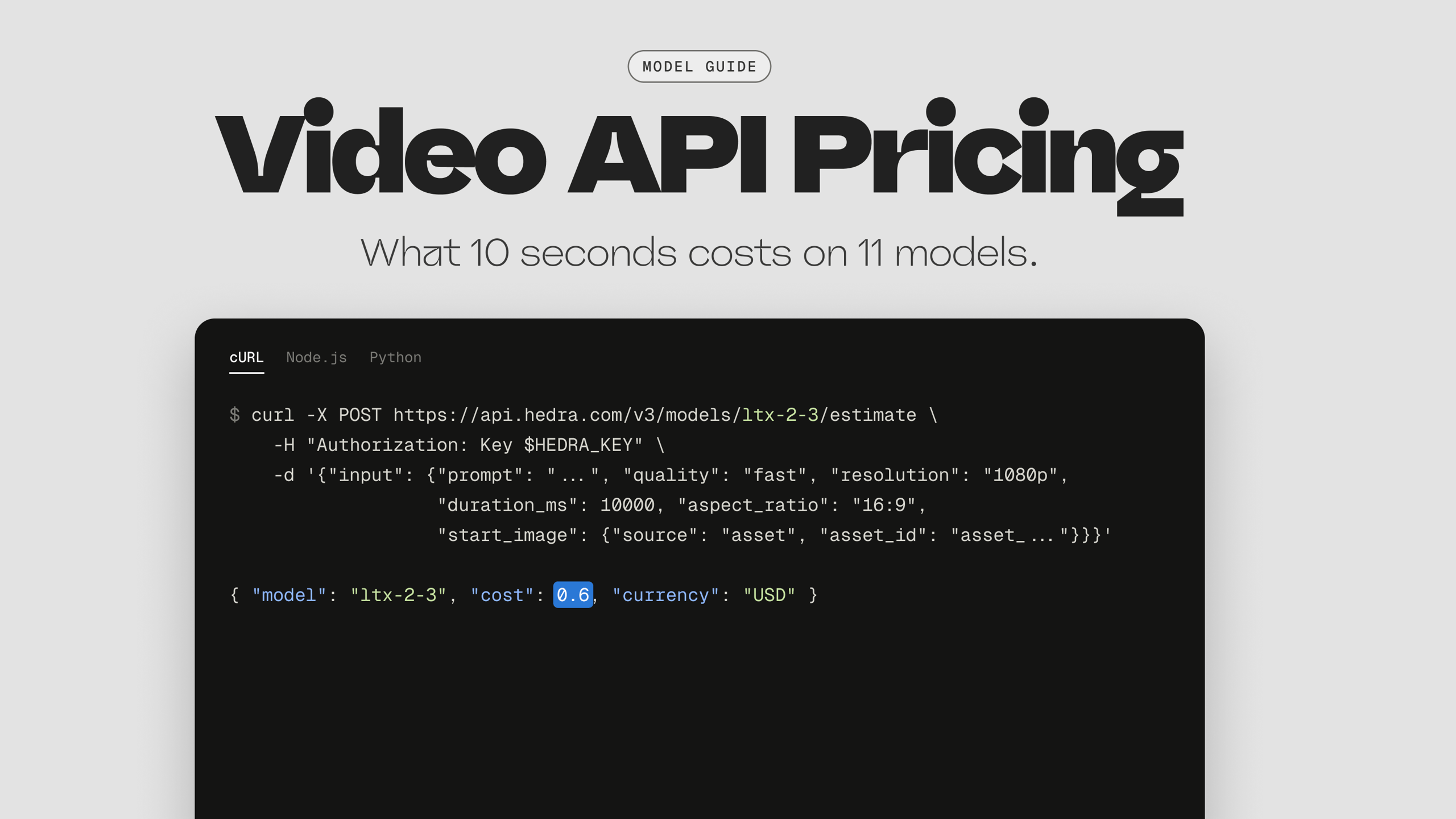
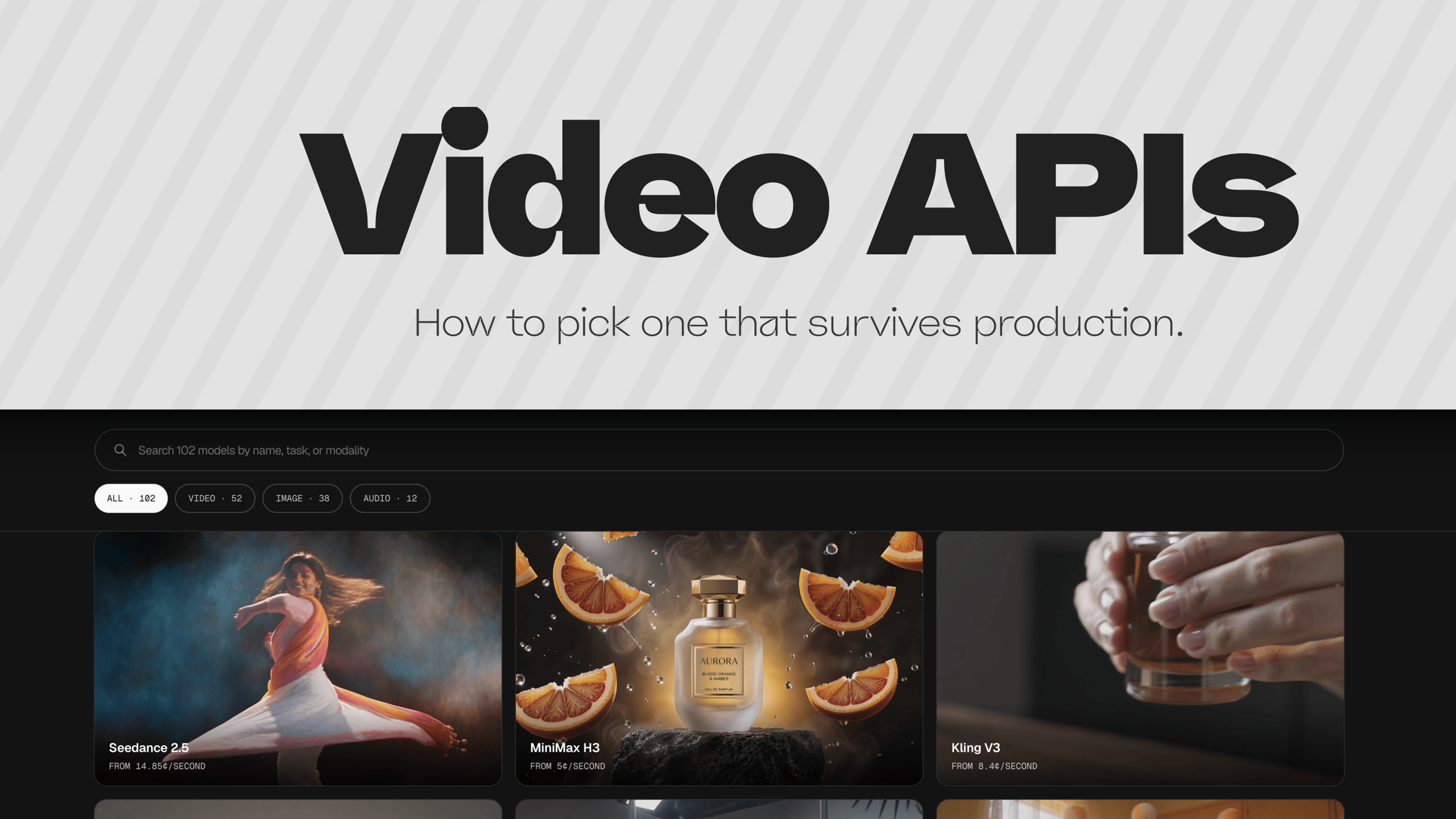
One fixed job, a 10-second 1080p clip with native audio from a start frame, priced across models at the time of writing.
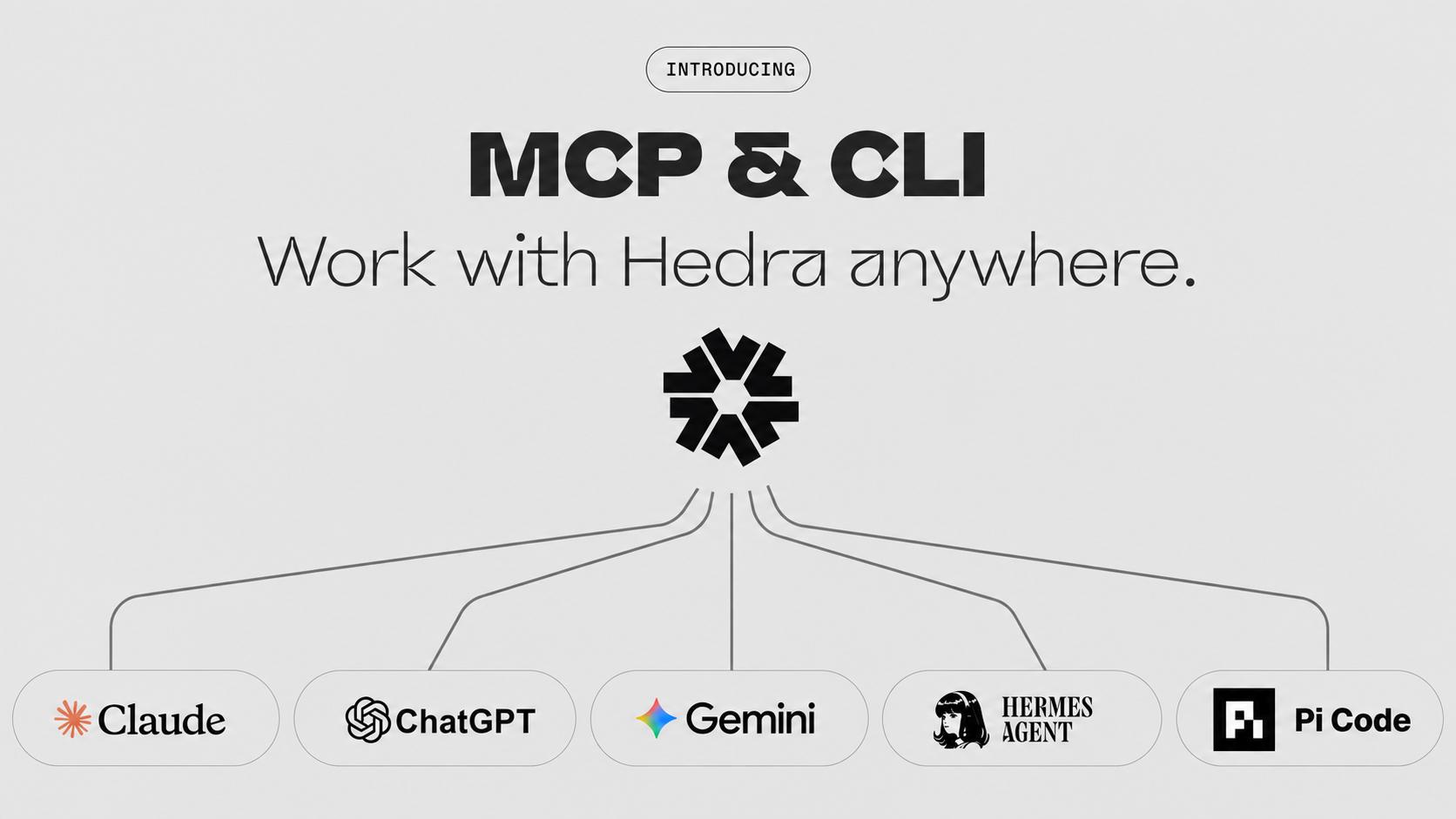
The August 2026 introduction to Hedra’s MCP and CLI. Current tools, authentication and billing are documented separately.
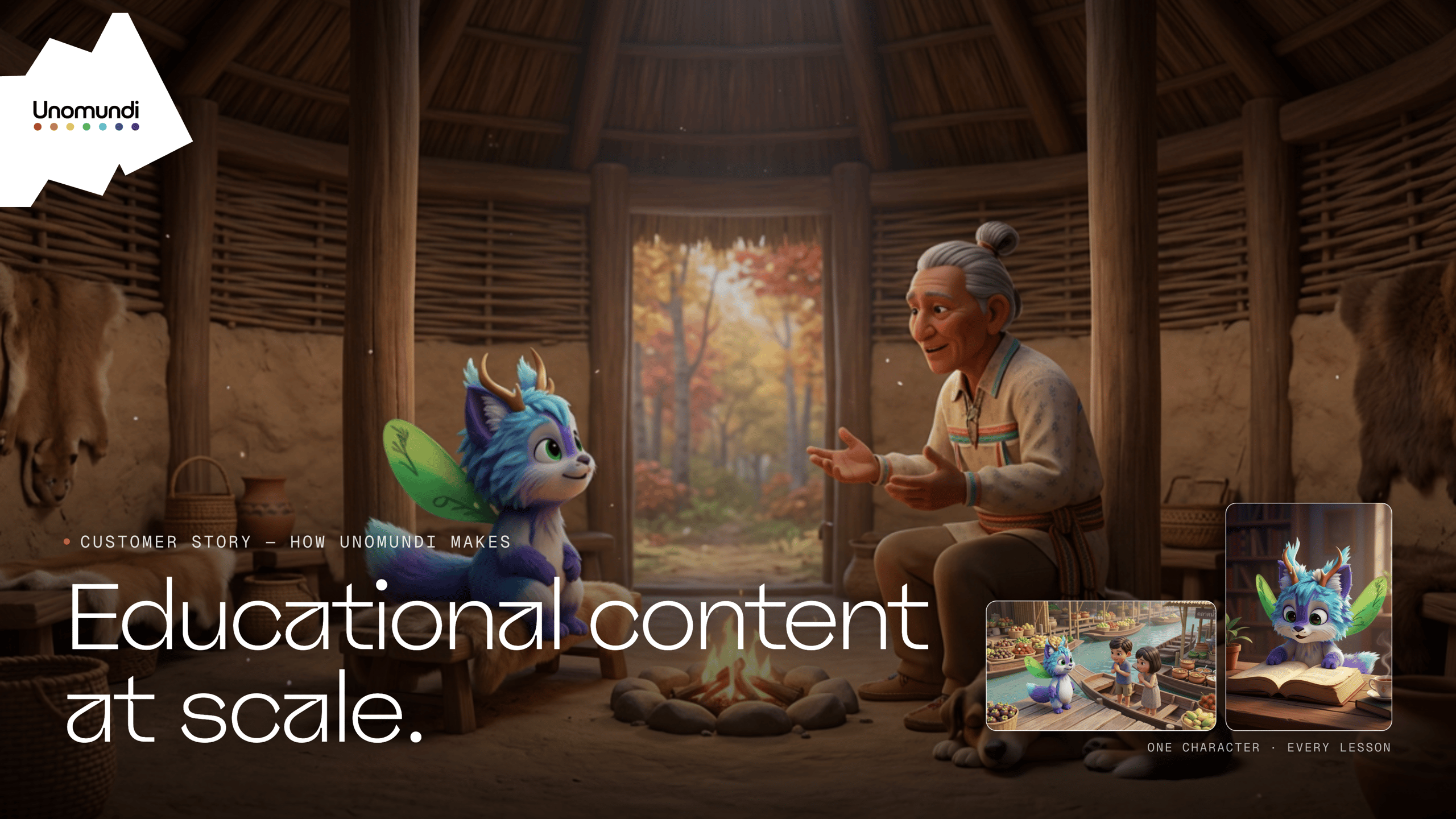
How an education app for children runs a programmatic media workflow with human review.
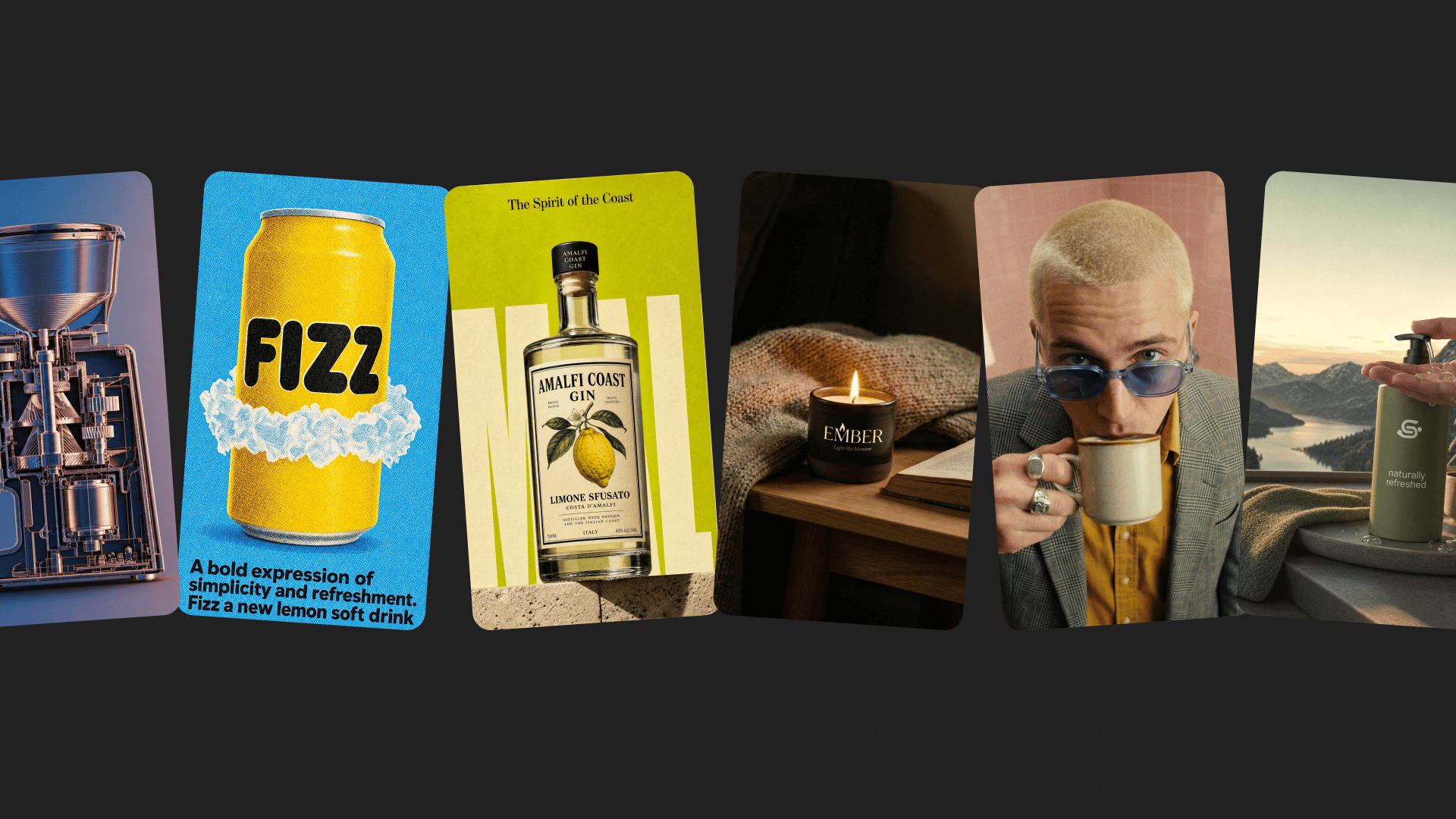
Our launch announcement for developer access, as of its publication date. Current setup steps are in the documentation.

Michael Loh on evaluating Play through repeatable multi-turn scenarios.
Michael Lingelbach on Omnia’s direction as a unified base model for partner post-training.

