Hedra
  • Developers
  • Inference
  • Studio
  • Enterprise
Log inSign Up
Open Hedra
Your account
    Explore
  • Home
  • Developers
  • Inference
  • Studio
  • Enterprise
    Log inSign Up
    Open Hedra

Create an AI character you can keep.

Describe a person once and get a file, not a lucky render — the same face across photoreal, illustrated and 3D, into new scenes and outfits, and on into video whenever you need them to move.

Start building nowMake a character now — no code
Character in

"Mid-twenties, short copper-red curls, heavy freckles, a gold hoop in her left nostril, a pale scar through her right eyebrow. Green canvas utility jacket, collar up."

26 WORDSNO REFERENCE PHOTO
→

A character is something you keep.

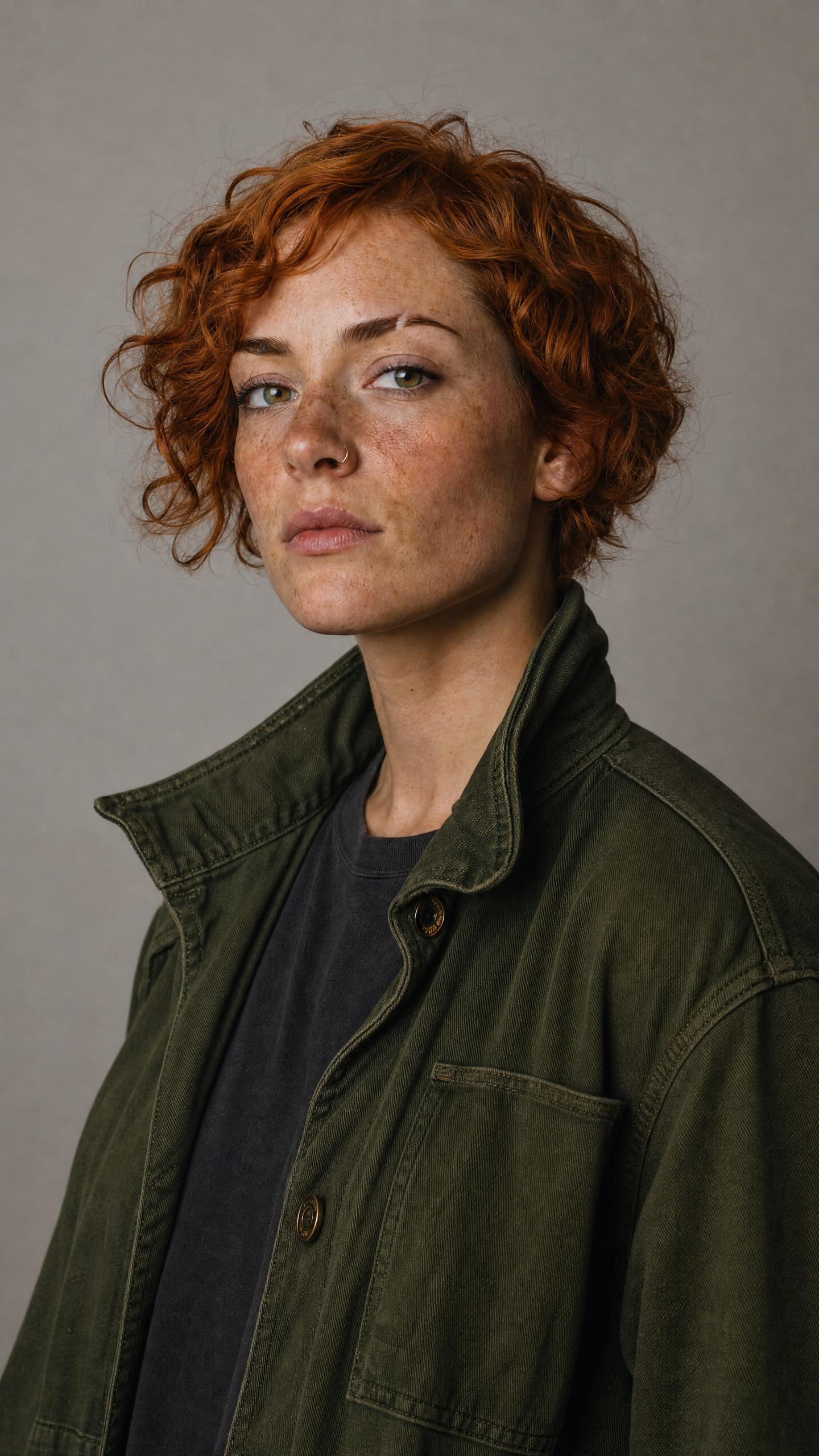
Photographic portrait of a freckled woman with curly red hair in an olive jacket against a gray backdrop
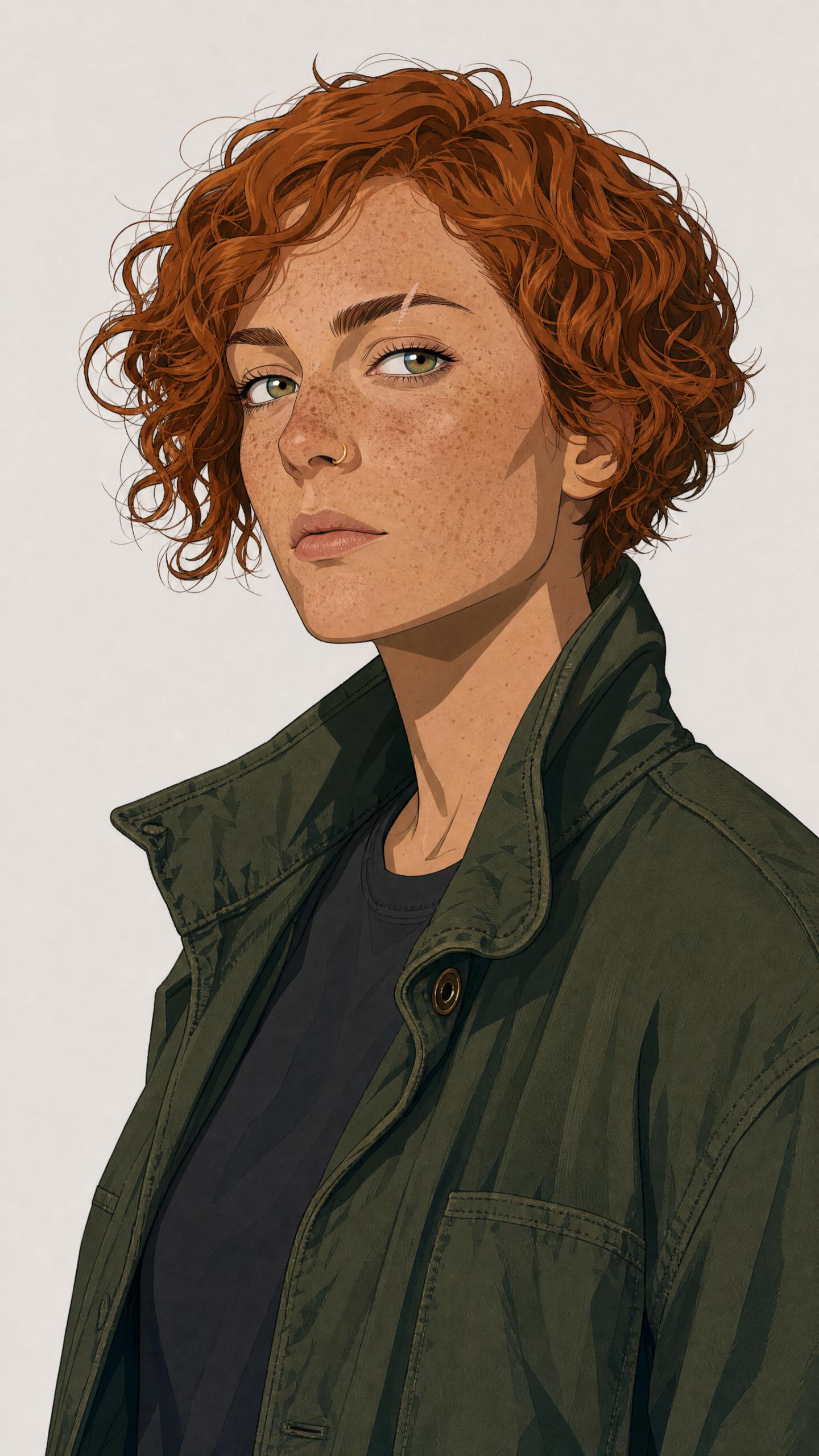
Flat illustrated portrait of a freckled woman with curly red hair in an olive jacket on a light background
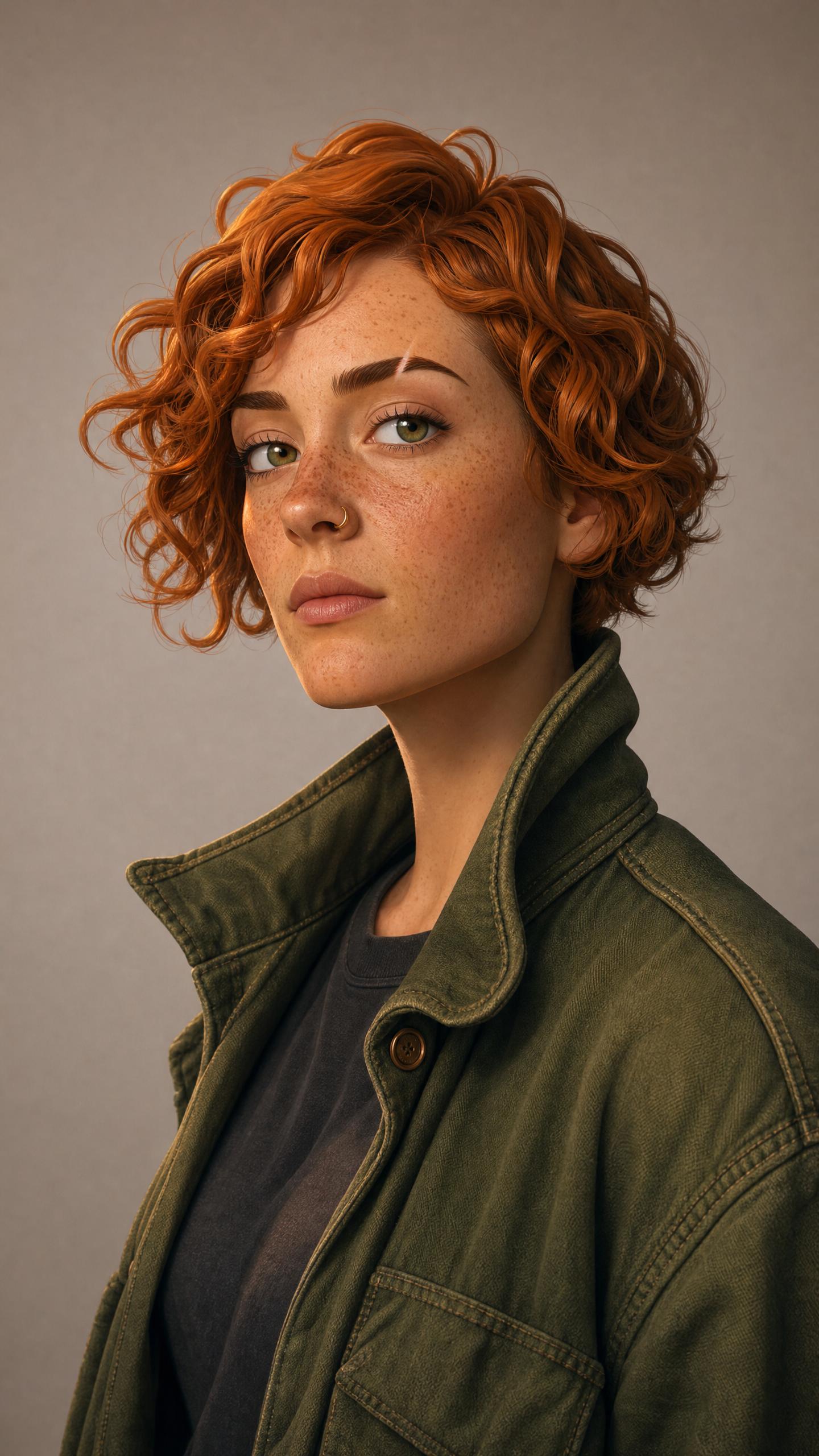
Digitally painted portrait of a freckled woman with curly red hair in an olive jacket
GPT IMAGE 2 · 9:16 · ONE REFERENCE

One face, whatever the style asks for.

Photoreal for the campaign, illustrated for the series, stylised 3D for the game — and the freckles, the scar through the eyebrow, the gold hoop survive all three, because each one was generated from the same reference rather than from the same paragraph. A style is a treatment here, not a different person.

A red-haired woman in a cable-knit sweater holding a mug on the tailgate of a pickup truck at dusk
GPT IMAGE 2 · 16:9 · SAME REFERENCE

New scene, same person.

Different sweater, different hour, different country, still her. This is the part that decides whether a character is usable: a face that only works in the pose it was born in is a stock photo, and a face that survives a wardrobe change and blue-hour light is a cast member you can write for.
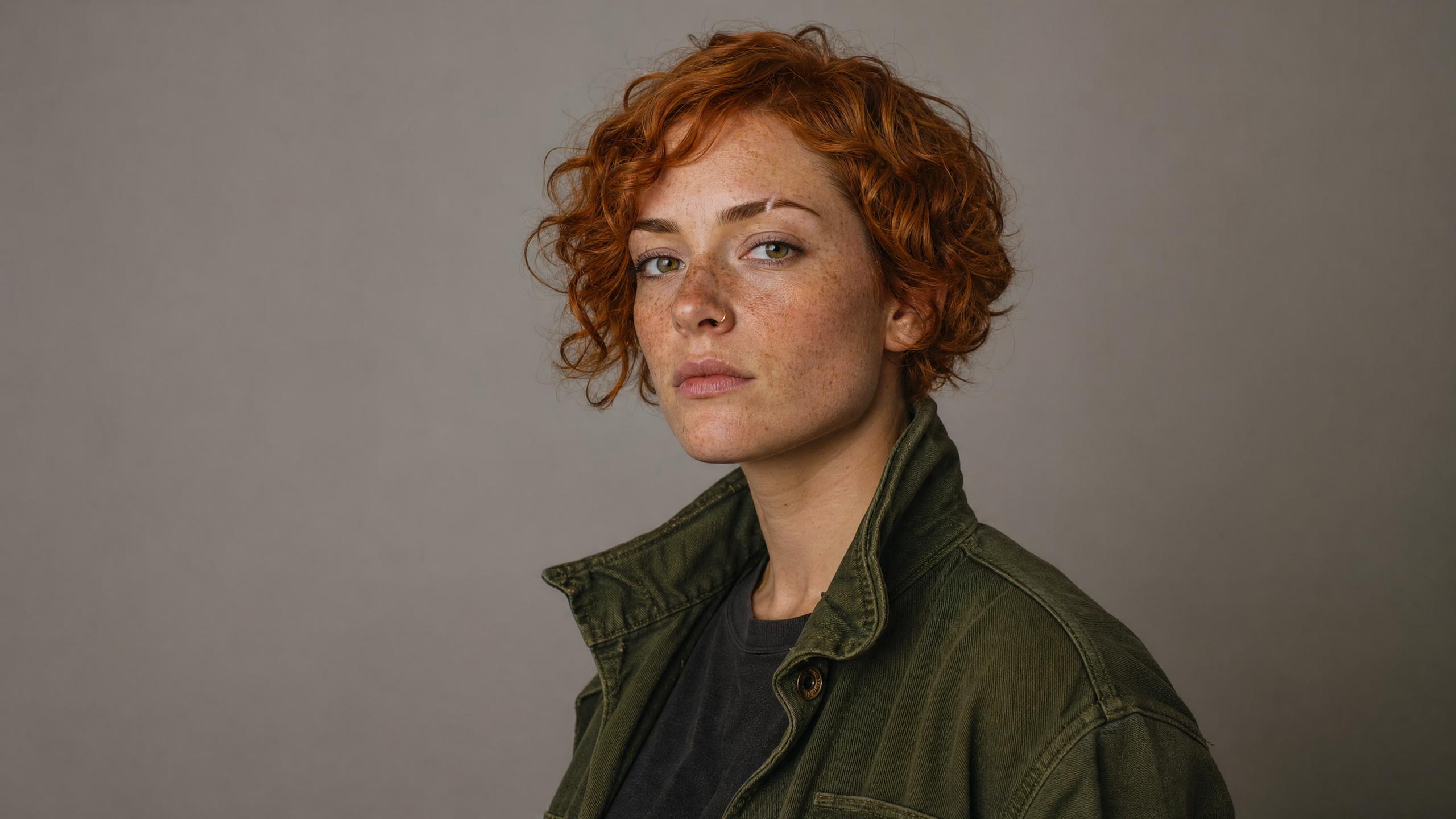
Widescreen portrait of a freckled woman with curly red hair in an olive jacket against a gray wall
GPT IMAGE 2 · 2560 × 1440 · THE REFERENCE

The reference is the asset.

Everything above came out of this one file. That is what you are actually making when you make a character: not an image you liked, but a handle you can pass to the next generation, the next campaign, and the next model — including the video ones, when she needs to move or speak.

Every model that can hold a character.

GoogleGoogleNano Banana ProNano Banana 2Nano Banana
Black Forest LabsBlack Forest LabsFlux Kontext MaxFlux Kontext ProFlux.2 [pro]Flux.2 [max]
ByteDanceByteDanceSeedream 5.0 ProSeedream 4.5Seedream 5.0 LiteSeedream 4.0
OpenAIOpenAIGPT Image 2GPT Image 1.5GPT Image 2.5 Flare
xAIxAIGrok Imagine 2.0Grok Imagine
See all models →

Built for visual inference.

Serving video is a different problem from serving text — a single request can saturate a GPU, and none of the tricks that made language models cheap apply. Hedra's engine was built for exactly that workload.

Whichever model you choose — ours or anyone else's — it runs on the same infrastructure, behind one key. Which matters more than usual for a character: the reference you pass to an image model this month is the reference you pass to a video model next month, without leaving the key you already have.

Generate with API or Agent

Build with the API

One key, every model. Keep the reference in your own store and pass it with each request.

Start building now

Make one now.

No code — describe the character, save them, call them back into the next prompt.

Create with Agent

FAQs

By being passed back in as a reference image rather than re-described. The reference-driven models hold identity across poses, outfits, scenes and styles — every image on this page was generated from one portrait that way.

Browse all models →

Yes, and from the same reference. The row above is one character rendered photoreal, cel-shaded and in stylised 3D — the style is an instruction, the identity is the reference.

Either. Describe the person and the model invents them, or upload a reference and the model works from that. The character on this page started as a written description with no photograph involved.

Yes — that is where they usually end up. Send the character image as a start frame to a video model for motion, or to an audio-driven model with a recording to make them speak.

AI talking avatar →

It depends on how much you are asking of one request. Reach for the reasoning-heavy tiers when the prompt is dense or several references are in play, and the lighter ones while you are still finding the character.

Image models →

Commercial use depends on the plan; the pricing page sets out what each covers. An invented character is yours to use within those terms — but if you build one from a photograph of a real person, you need that person’s permission.

See pricing →

No — Hedra Studio runs the same models on the same engine with nothing to build. Describe the character, keep them, and call them back into the next prompt.

More you can do with Hedra

Photographic portrait of a freckled woman with curly red hair in an olive jacket against a gray backdrop
Give the character a voiceAI TALKING AVATAR →
A red-haired woman in a cable-knit sweater holding a mug on the tailgate of a pickup truck at dusk
Put the scene in motionIMAGE TO VIDEO AI →
hedra keys create
→ sk-hedra-••••••••
Keep the cast in your own storeDEVELOPER PLATFORM →

Cast someone who stays.

Start building nowMAKE A CHARACTER NOW — NO CODE →
Hedra
Hedra

Product

DevelopersStudioEnterpriseInferencePricing

Resources

Agent documentationDeveloper documentationBlogUse CasesModelsFeedbackChangelogStatus

Company

AboutCareersContactBuilder programSupportAlternatives

Legal

Privacy PolicyTerms of useAcceptable useCookie PolicyBiometric data policy
LinkedinInstagramDiscord
support@hedra.comHedra 2026 — All rights reserved