Move from one video model to a full visual agent
Pika generates short clips from text and images with its 2.x models and effects. Hedra Agent and Workspaces plan, generate and edit whole projects across the leading video models, on GPU infrastructure and an inference engine Hedra runs itself.
export HEDRA_API_KEY="<key_id>:<secret>"

curl -X POST \
  "https://api.hedra.com/v3/models/kling-v3" \
  -H "Authorization: Key $HEDRA_API_KEY" \
  -H "Content-Type: application/json" \
  -d '{ "input": {
      "prompt": "A slow dolly through a rain-lit Tokyo alley at night",
      "aspect_ratio": "16:9",
      "resolution": "1080p",
      "duration_ms": 5000,
      "quality": "pro"
} }'A more modern way to work
Skip the model aggregators. Hedra Agent and Workspaces give your team an autonomous agent that supercharges your workflows with a superintelligent understanding of the latest models: brief it in a shared space and it plans, generates, and edits across video, image, speech, and music, with your team and your agents working alongside it.
GPU infrastructure, an inference engine, and post-training research
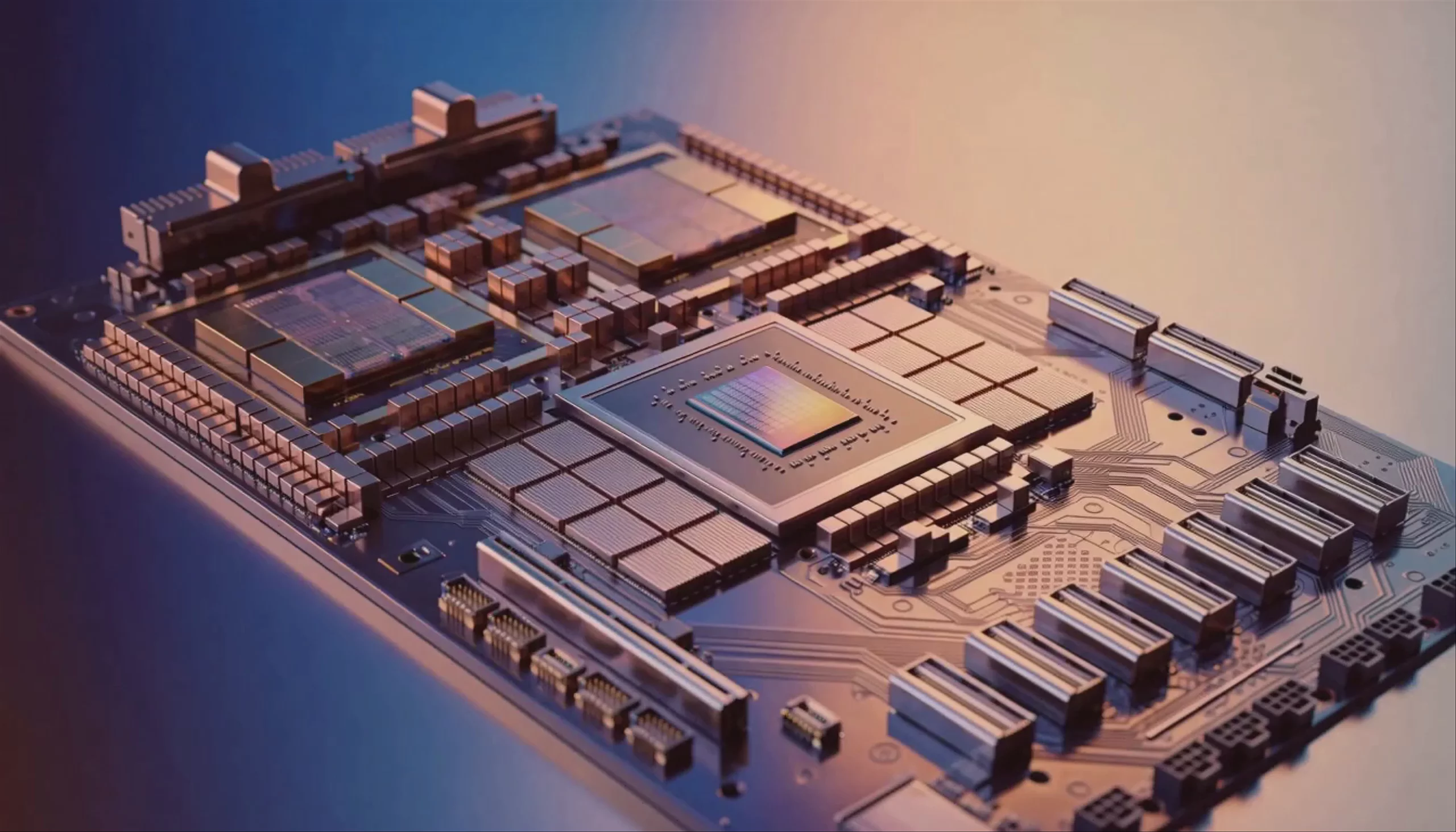
Hedra operates GPU clusters and the inference engine that runs diffusion and autoregressive media models on them 8x faster. The same research team post-trains models for customers: supervised fine-tuning, LoRA training, and GRPO, on your data.
Hedra and Pika: focus at a glance
Pika is a consumer video generator around its own models. Hedra is the infrastructure and research company under products like it.
| Dimension | Hedra | Pika |
|---|---|---|
| What it is | GPU infrastructure, inference and post-training research | A consumer video generator with effects and templates |
| Core technology | Hedra's inference engine, its own GPU clusters, and post-training (SFT, LoRA, GRPO) | Pika's 2.x video models with Pikaframes and Pikascenes |
| Models | Open-weight models on Hedra's engine, models post-trained for you, and partner models through a gateway | Its own models |
| How you connect | API, SDK, CLI, MCP, and Hedra Workspaces | pika.art web and mobile apps; an API in development, with Pika 2.2 hosted on fal |
| Where inference runs | Hedra's GPU clusters, or your own | Pika's cloud and its hosting partners |
| Best fit | Teams building visual products who need inference, capacity and custom models | Social creators making short effect-driven clips |
Video models on Hedra infrastructure, priced per second
Rates per second of generated video at the resolution shown. Open-weight models run on Hedra's engine; partner models are reached through the gateway.
| Provider | Model ID | Rate |
|---|---|---|
| Kling | kling-v3 | 16.8¢/s · 1080p |
| veo-31 | 39.29¢/s · 1080p | |
| ByteDance | seedance-25 | 79.09¢/s · 1080p |
| MiniMax | minimax-h3 | 6¢/s · 768p |
| Luma | luma-ray-32 | 40¢/s · 1080p |
| Alibaba | wan-3-0 | 20¢/s · 1080p |
| Kling | kling-26-pro | 14¢/s · 1080p |
FAQs
- Can I call Pika's models through Hedra?
- No. Pika serves its models through its own apps and partners, and they are not in Hedra's catalog. Hedra serves the other leading video models, including Kling, Veo, Seedance, MiniMax, Luma Ray and Wan, with one request shape and per-second pricing.
- What does Hedra actually operate?
- GPU clusters, the inference engine that serves media models on them, and a research team that pre-trains and post-trains models. Open-weight models and models post-trained for customers run on that engine, on Hedra's clusters or inside your perimeter. Partner models that only their makers serve are reached through Hedra's gateway so one request shape covers both.
- Can this run on our own hardware?
- Yes. Hedra Inference deploys on your Kubernetes or bare metal, including air-gapped environments, across NVIDIA, AMD, AWS Trainium, Google TPU, and custom accelerators. Weights, data, and the control plane stay on infrastructure you operate.