Manus and Hedra: a general agent, and the visual inference company agents call
Manus automates research, code and browser work on other companies' models. Hedra runs visual models on its own GPU clusters and inference engine, post-trains them, and exposes them to any agent through an MCP server and a typed API.
{
  "mcpServers": {
    "hedra": { "url": "https://mcp.hedra.com" }
  }
}

# Then, in your agent:
# "Render a 5-second product clip of the bottle
# in soft daylight, 16:9."A more modern way to work
Skip the model aggregators. Hedra Agent and Workspaces give your team an autonomous agent that supercharges your workflows with a superintelligent understanding of the latest models: brief it in a shared space and it plans, generates, and edits across video, image, speech, and music, with your team and your agents working alongside it.
GPU infrastructure, an inference engine, and post-training research
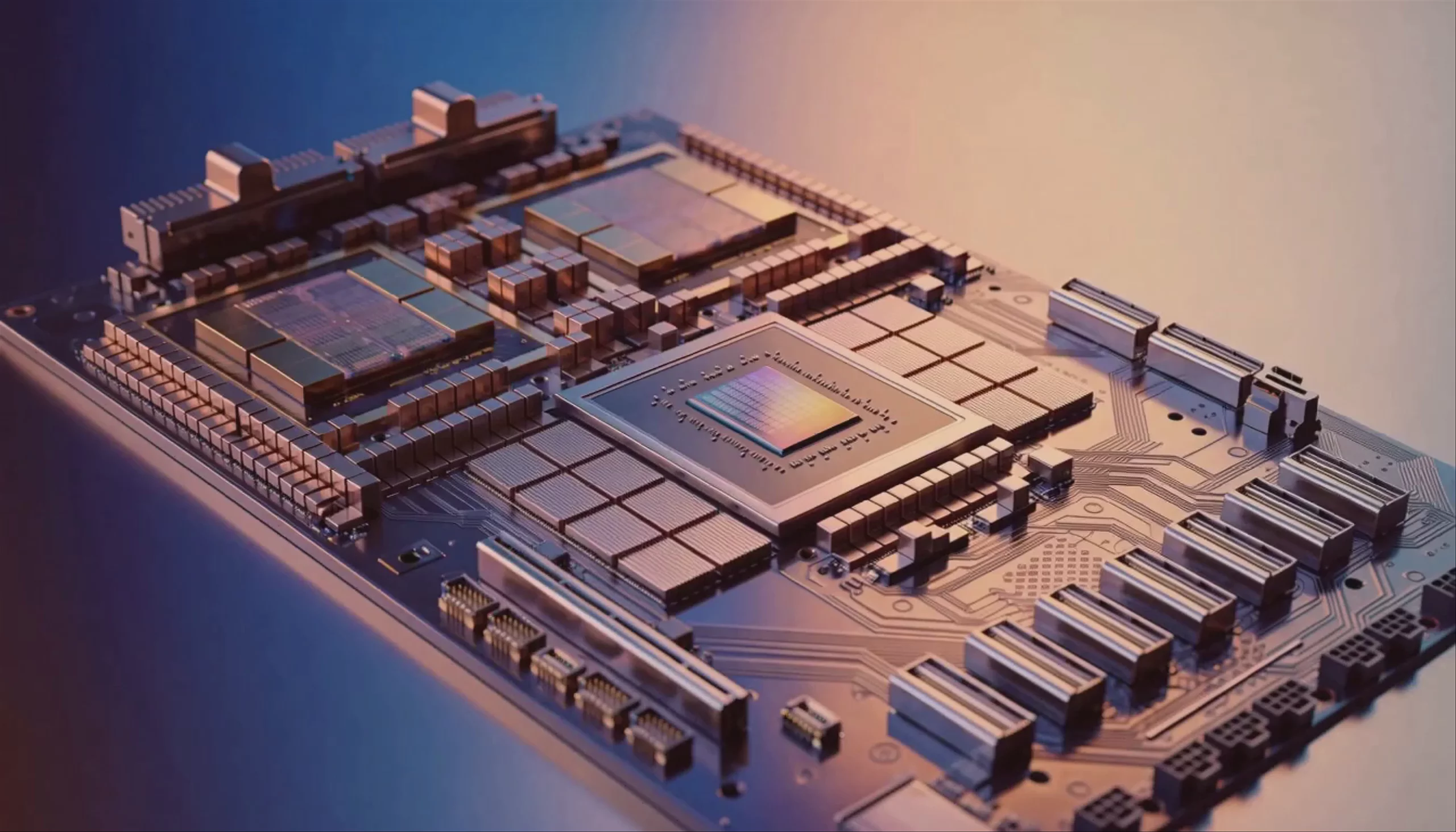
Hedra operates GPU clusters and the inference engine that runs diffusion and autoregressive media models on them 8x faster. The same research team post-trains models for customers: supervised fine-tuning, LoRA training, and GRPO, on your data.
Hedra and Manus: focus at a glance
Manus is an agent built on other companies' models. Hedra serves and post-trains models on its own infrastructure, and ships an agent of its own on top.
| Dimension | Hedra | Manus |
|---|---|---|
| What it is | GPU infrastructure, inference and post-training research | A general agent for research, code, browser tasks and documents |
| Core technology | Hedra's inference engine, its own GPU clusters, and post-training (SFT, LoRA, GRPO) | An autonomous agent orchestrating tools and a browser |
| Models | Open-weight models on Hedra's engine, models post-trained for you, and partner models through a gateway | Third-party models used inside its agent |
| How you connect | API, SDK, CLI, MCP, and Hedra Workspaces | Manus app |
| Where inference runs | Hedra's GPU clusters, or your own | Manus's cloud and its model providers |
| Best fit | Teams building visual products who need inference, capacity and custom models | Knowledge workers automating research and code tasks |
What an agent gets when it connects to Hedra
Video rates are per second of generated clip; image rates are per generation. Open weights run on Hedra's engine; partner models come through the gateway.
| Provider | Model ID | Rate |
|---|---|---|
| Kling | kling-v3 | 16.8¢/s · 1080p |
| veo-31 | 39.29¢/s · 1080p | |
| Black Forest Labs | flux-dev | 2.86¢/MP · open weights |
| nano-banana-pro | 15¢/image · 1K | |
| ElevenLabs | elevenlabs-v3 | 12.6¢ / 1,000 characters |
FAQs
- How do Hedra and Manus fit together?
- Manus is a general agent; Hedra is a tool it can call. The Hedra MCP server gives any MCP-compatible agent image, video and voice generation on Hedra's infrastructure, and the v3 API does the same for code. Non-developers reach the same inference through Hedra Workspaces, a collaborative environment for working with visual models with your team and agents.
- Does Hedra have an agent of its own?
- Yes. Hedra Workspaces is a collaborative, multiplayer environment where your team and agents work with visual models together. The agent plans and executes image, video and audio work in a shared space, on Hedra's own inference engine and GPU clusters.
- What does Hedra actually operate?
- GPU clusters, the inference engine that serves media models on them, and a research team that pre-trains and post-trains models. Open-weight models and models post-trained for customers run on that engine, on Hedra's clusters or inside your perimeter. Partner models that only their makers serve are reached through Hedra's gateway so one request shape covers both.