Overview
Seedance 2.5 is ByteDance's video generation model, available now on Hedra through Creative Studio and the Developer Platform API.
Generate reference-driven videos from text, images, video, and audio. The model supports start and end frames, reference images, and optional native audio, with output at 480p, 720p, or 1080p and durations from 4 to 30 seconds.
Use the examples below to explore the model’s output, and consult the specifications and pricing for the options available on Hedra.
Specifications · Text + image + video + audio to video
- Input mode
- Text + image + video + audio to video
- Accepts
- reference image (up to 30), start frame, end frame, reference video, audio
- Aspect ratios
- 1:1, 3:4, 4:3, 16:9, 21:9, 9:16, adaptive
- Resolutions
- 480p, 720p, 1080p
- Durations
- 4s, 5s, 6s, 7s, 8s, 9s, 10s, 11s, 12s, 13s, 14s, 15s, 16s, 17s, 18s, 19s, 20s, 21s, 22s, 23s, 24s, 25s, 26s, 27s, 28s, 29s, 30s
- Max duration
- 30s
- Native audio
- Optional
Pricing
Build with this model: the Seedance 2.5 API on the Hedra Developer Platform.
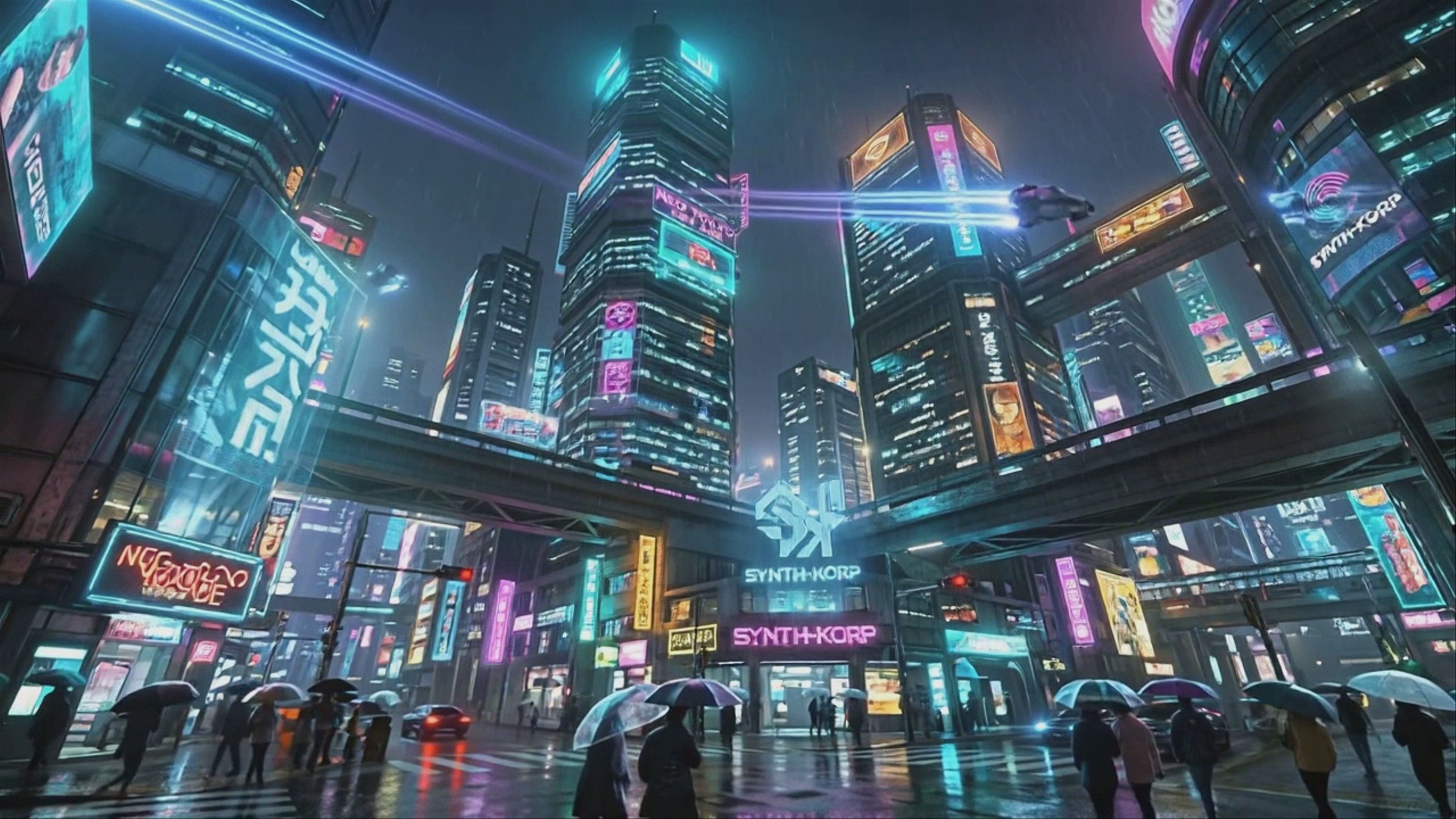
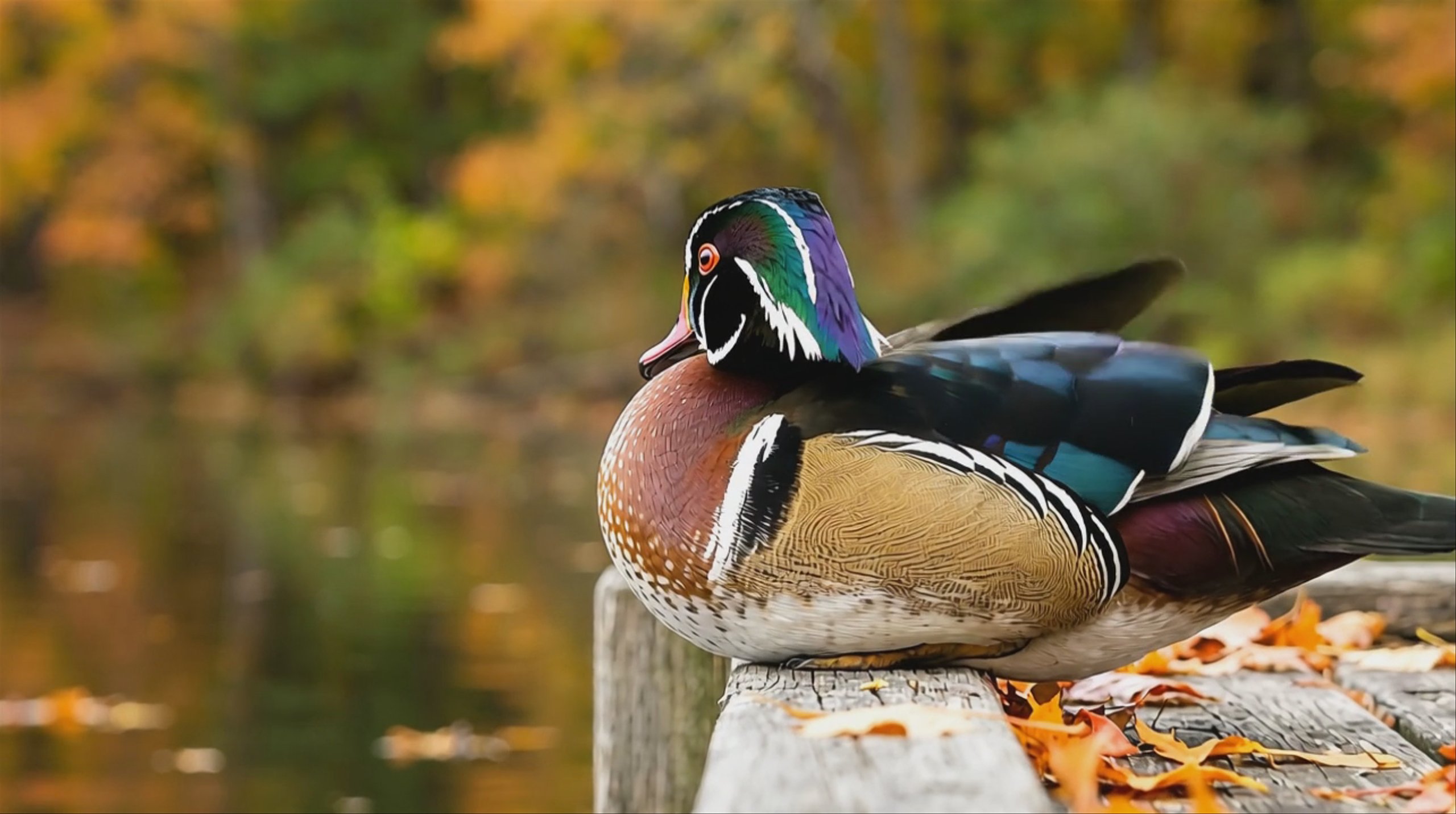
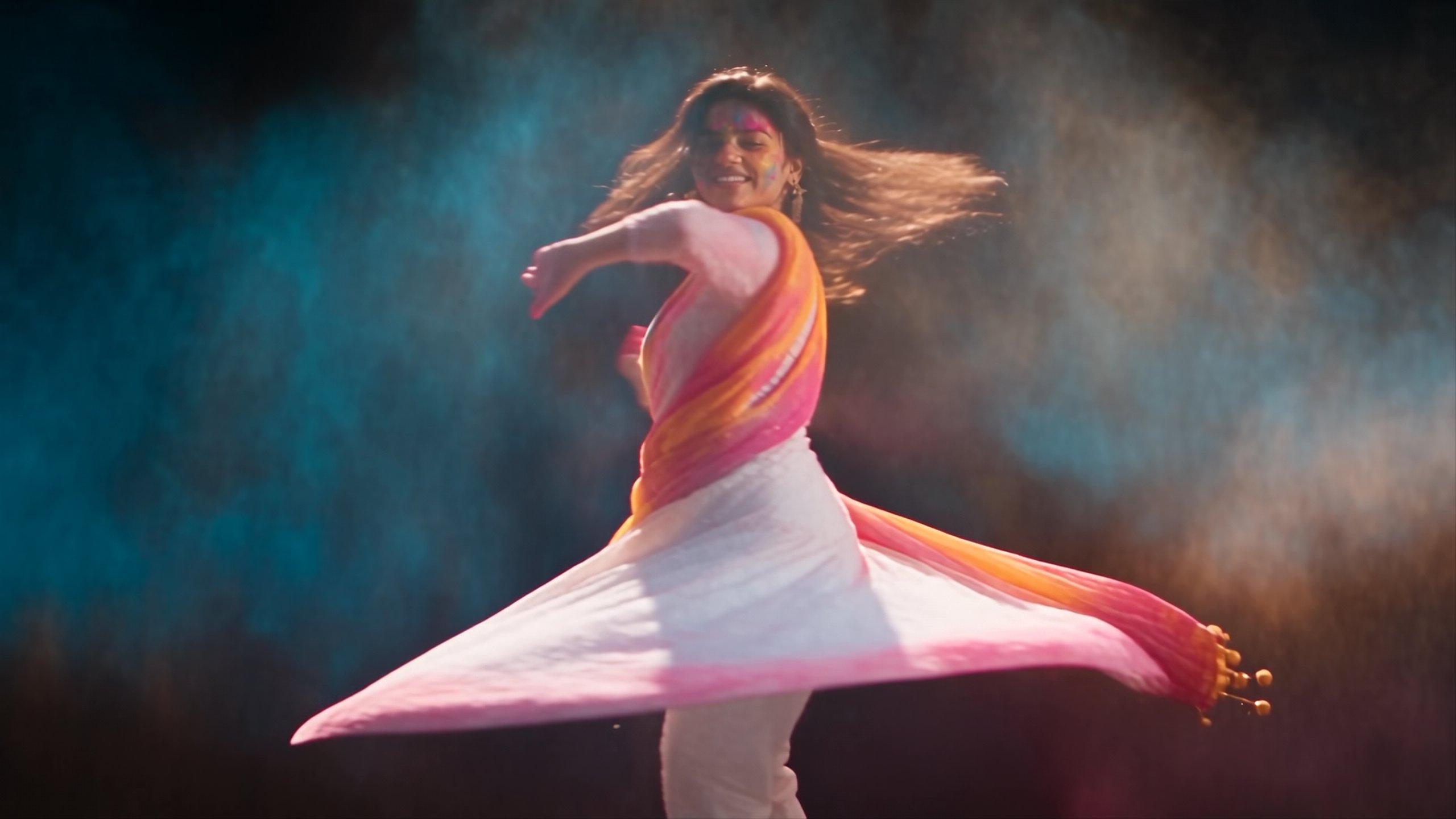
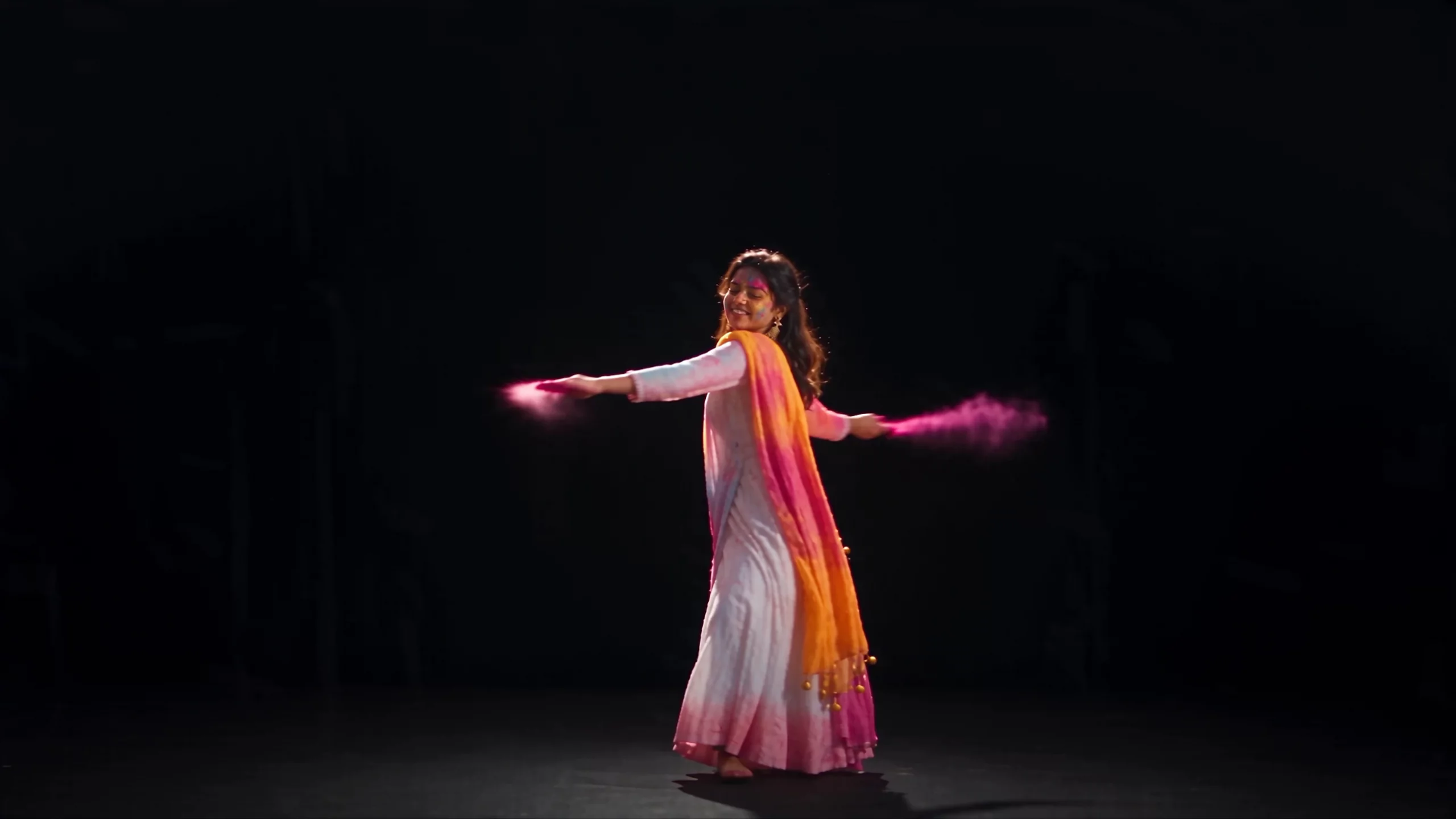
Seedance 2.5 API →Real output · generated with Seedance 2.5
Best of Seedance 2.5


Prompting
Prompt tips
Describe the subject, setting, action, camera movement, and desired audio in your prompt. For a sequence of actions, write clear beats in the order they should occur.
Give each reference a clear purpose, such as character appearance, composition, or movement. Use start and end frames when you want to guide the opening and closing images.
Start with a short clip, review the output, and adjust one part of the prompt or reference set at a time.
About the model
Questions, answered
What is Seedance 2.5?
Seedance 2.5 is ByteDance's video generation model, available on Hedra. It supports text, image, video, and audio inputs, with optional native audio generation.
Is Seedance 2.5 available on Hedra?
Yes. You can use Seedance 2.5 in Hedra Creative Studio or integrate it through the Hedra Developer Platform API.
What inputs does Seedance 2.5 support?
Seedance 2.5 accepts text prompts, reference images, start and end frames, reference video, and audio. Use references to guide the subject, setting, motion, and sound of your video.
What resolutions and durations are available?
Hedra currently offers Seedance 2.5 at 480p, 720p, and 1080p, with video durations from 4 to 30 seconds. The current model does not offer a 4K output option.
How do I start using Seedance 2.5?
Open Creative Studio to create a video, or get an API key from the Hedra Developer Platform. The specifications and pricing on this page describe the available model options.
Same API · one key