Happy Horse
Overview
Happy Horse is an AI video generation model developed by Alibaba, noted for its strong prompt adherence and stable physics. It natively outputs 1080p video with synchronized audio—including multilingual lip-sync and Foley sound effects—across text-to-video, image-to-video, and video-editing workflows. Often compared to Seedance 2.0, it is well-suited for creators who require precise instruction-following and integrated sound generation for complex storytelling.
Happy Horse Image to Video
Image → Video — generates video.
Specifications
- Input mode
- Image → Video
- Accepts
- reference image (up to 9), start frame
- Aspect ratios
- 21:9, 16:10, 16:9, 4:3, 3:2, 1:1, 2:3, 3:4, 9:16, 10:16, 9:21
- Resolutions
- 720p, 1080p
- Durations
- 3s, 4s, 5s, 6s, 7s, 8s, 9s, 10s, 11s, 12s, 13s, 14s, 15s
- Max duration
- 15s
- Native audio
- No
- Pricing
- 30 credits / second — longer clips and higher resolutions cost more
- Typical generation time
- ~4 min
- Free tier
- Yes
Image → Video examples
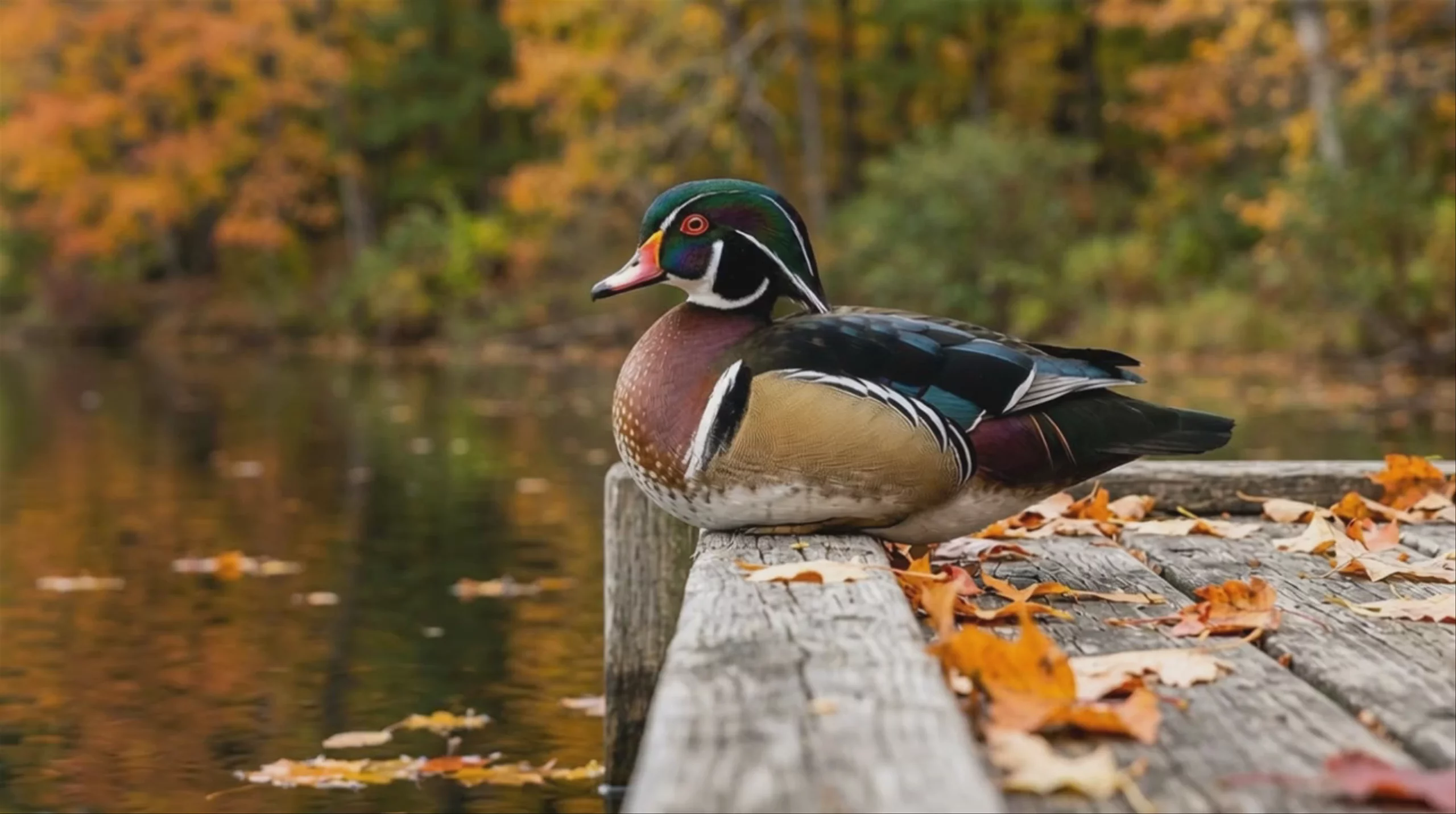 Wood Duck on a Rustic Dock — Happy Horse
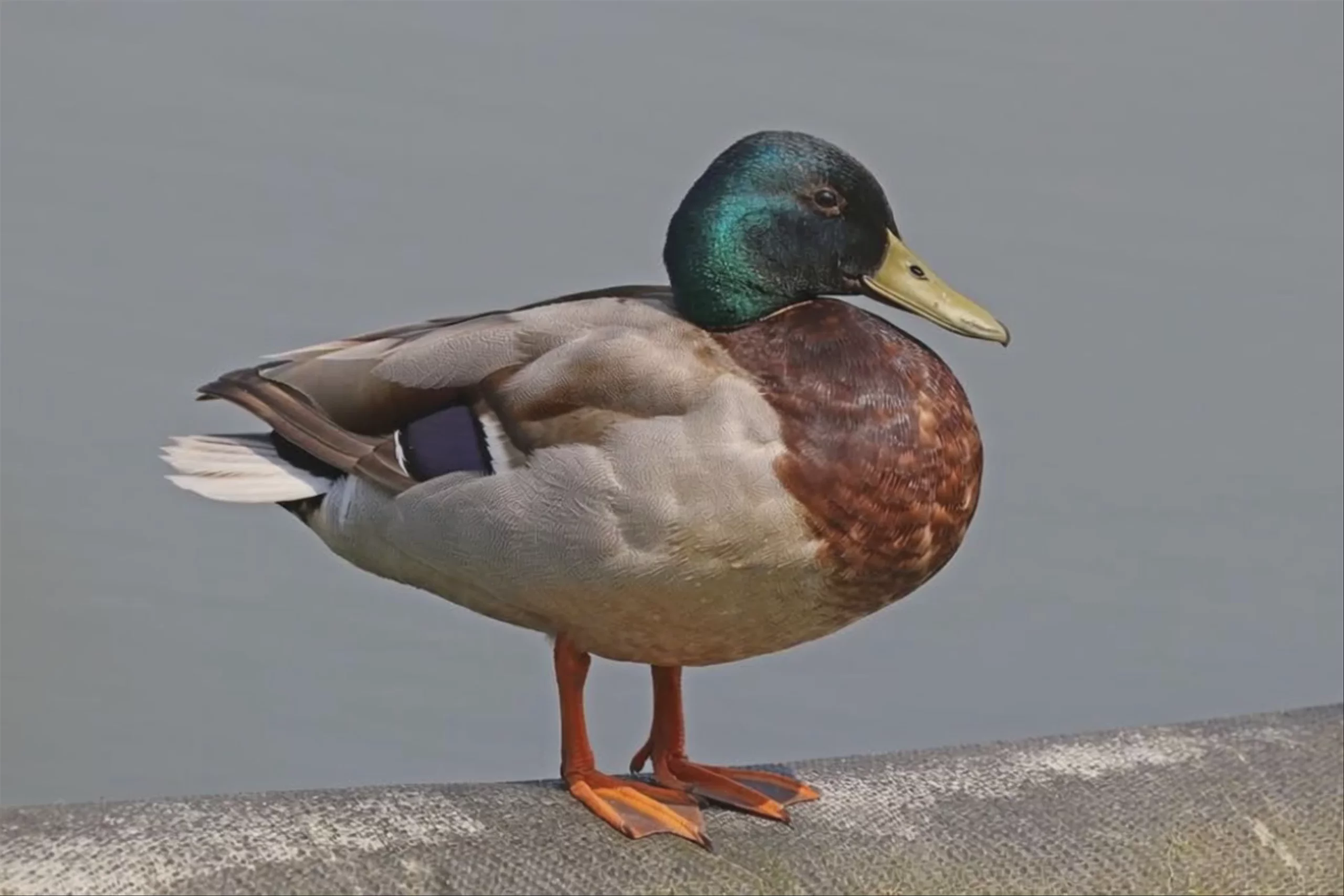 Mallard Duck Standing on a Ledge — Happy Horse
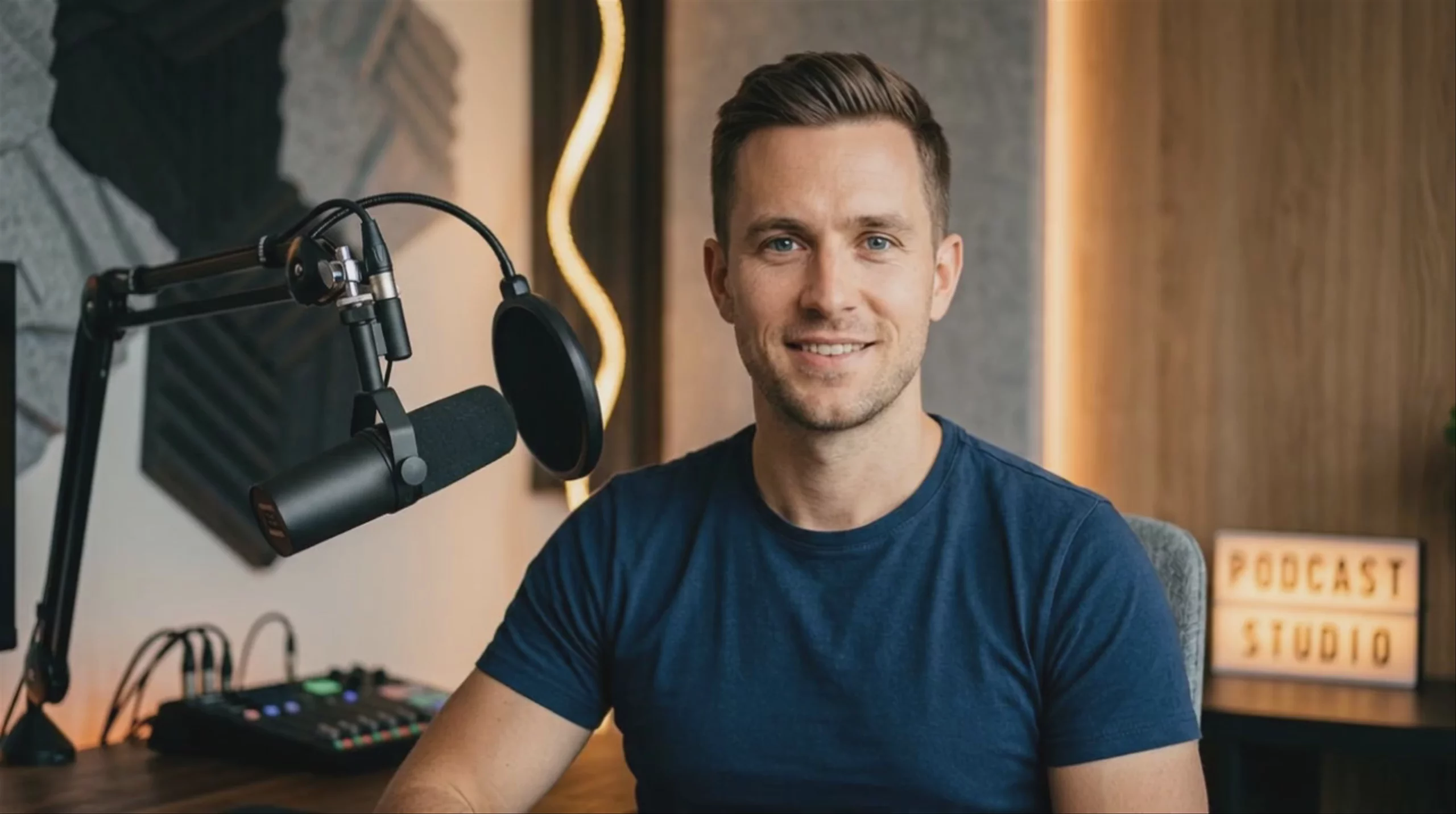 Man Speaking in Podcast Studio — Happy Horse
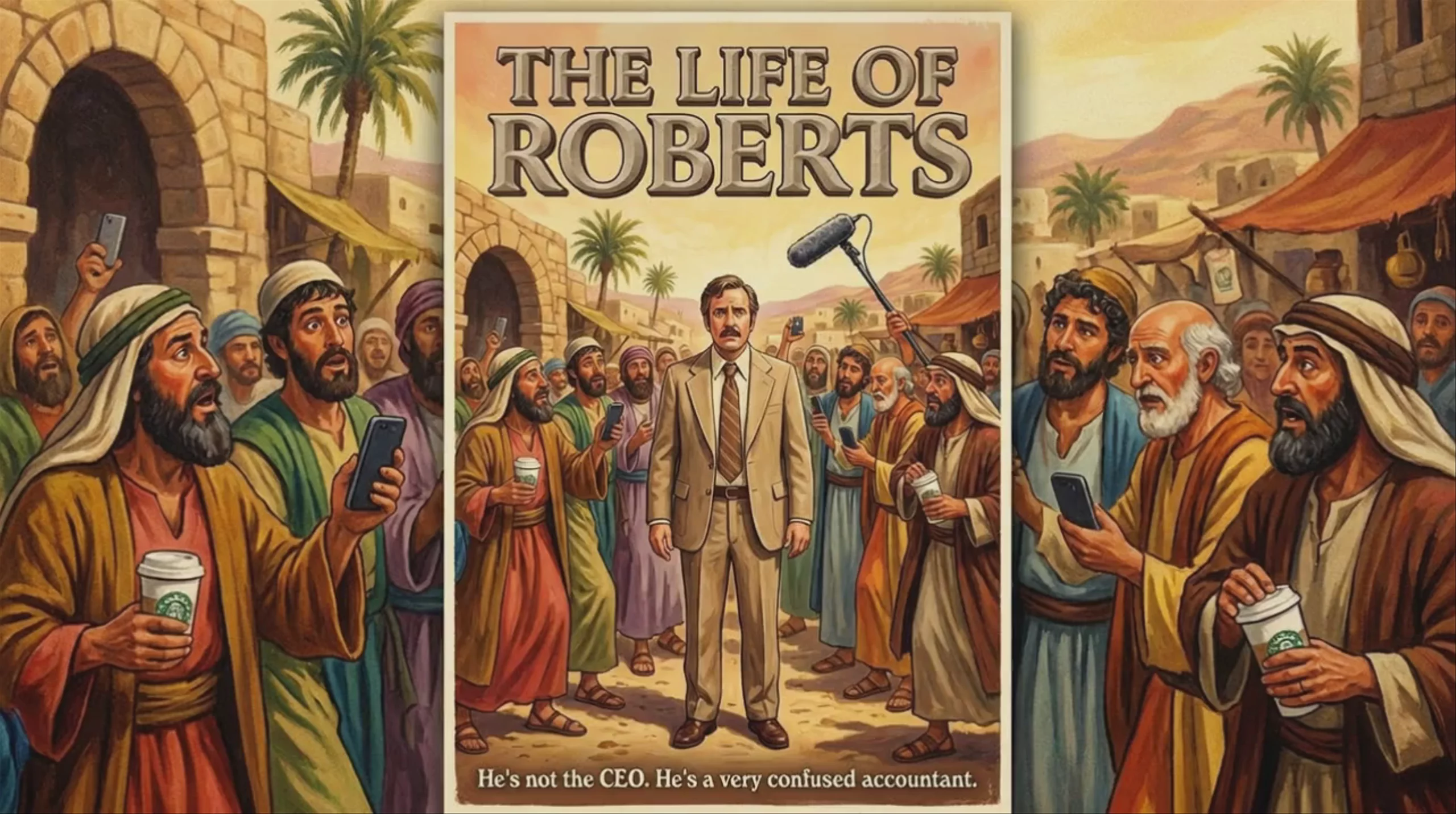 Confused Man in Marketplace — Happy Horse
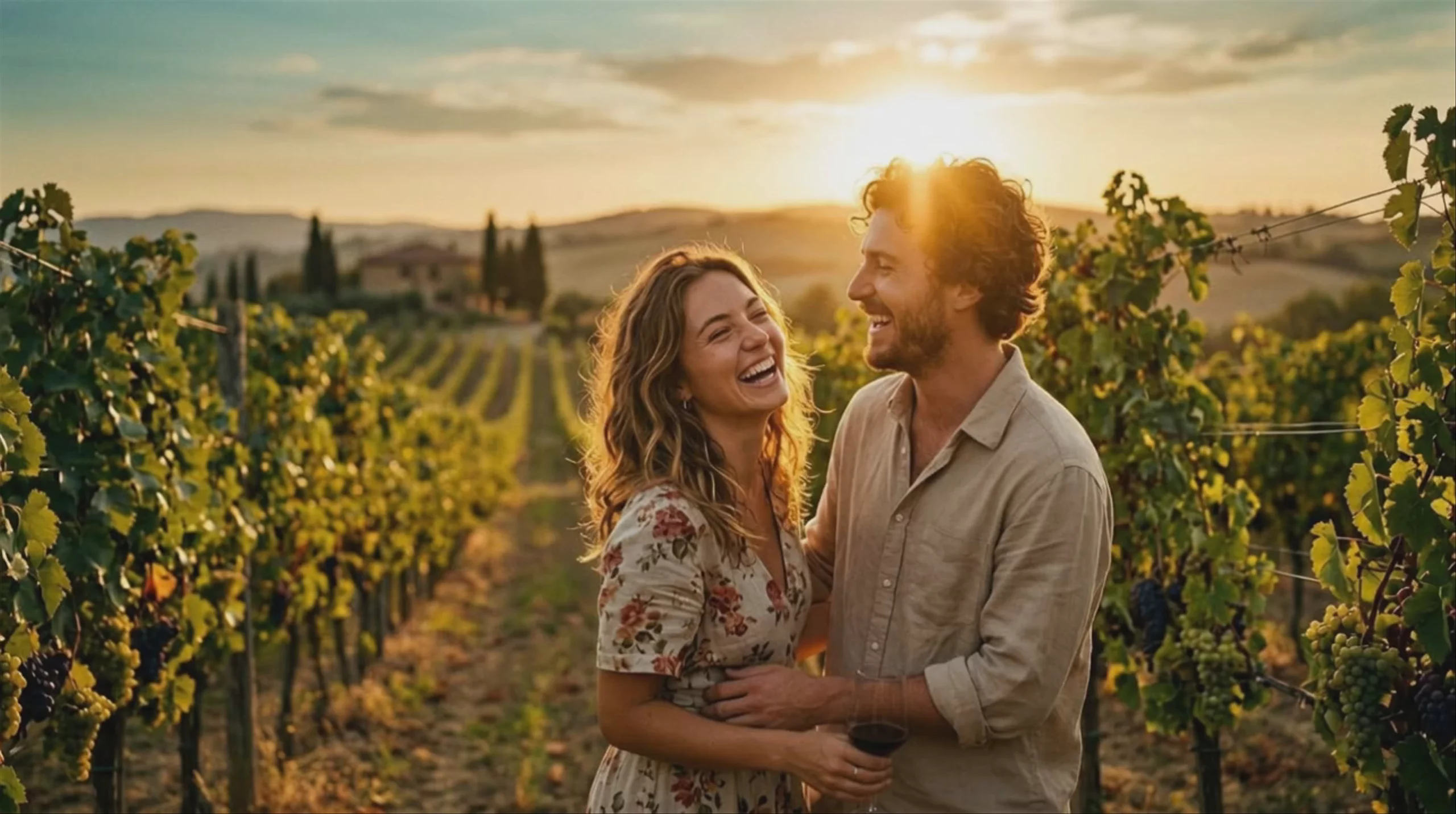 Couple in a Sunset Vineyard — Happy Horse
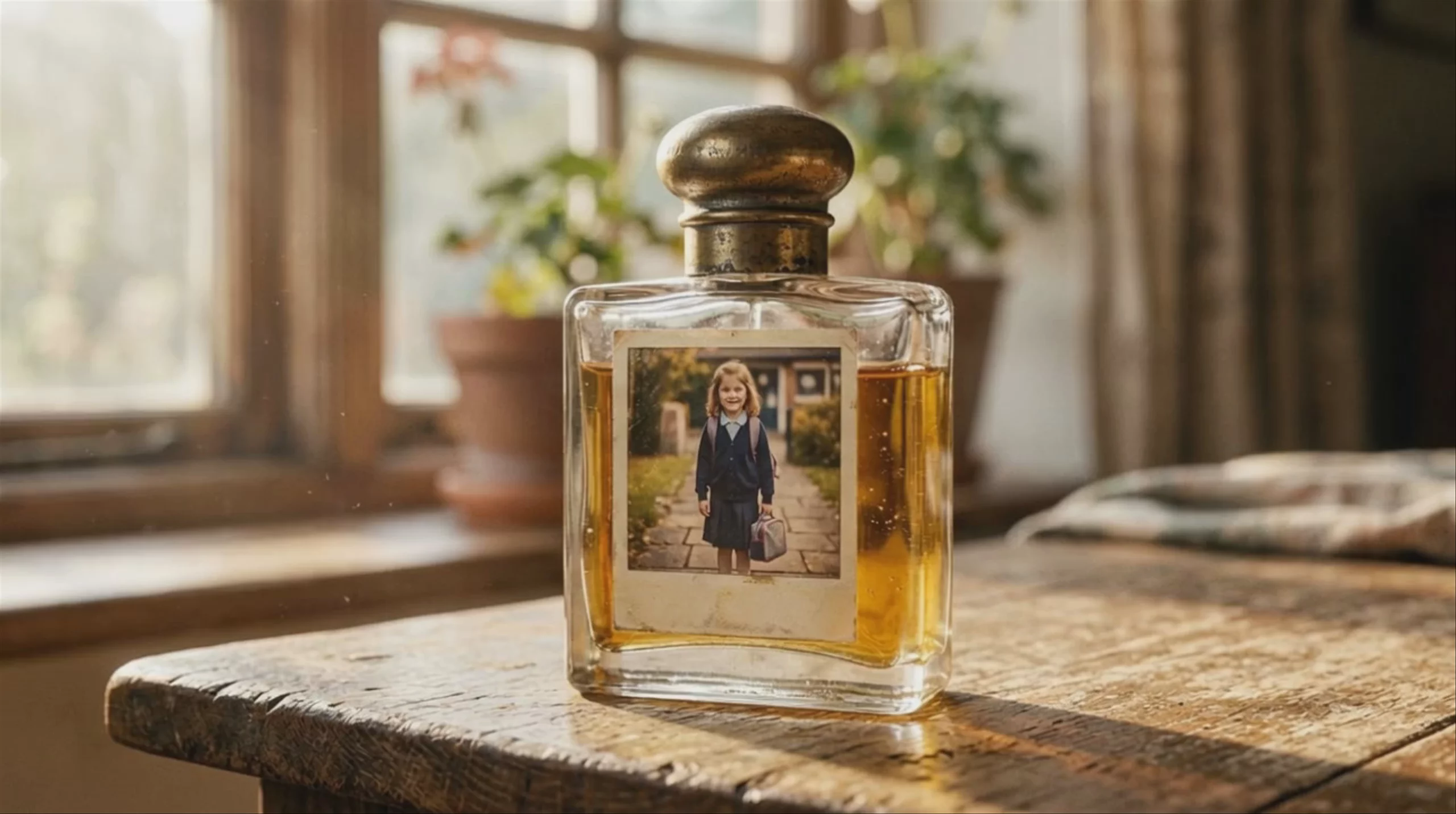 Vintage Perfume Bottle with Polaroid Photo — Happy Horse
 Podcast Host Speaking in Studio — Happy Horse
Happy Horse Text to Video
Text → Video — generates video.
Specifications
- Input mode
- Text → Video
- Aspect ratios
- 16:9, 9:16, 1:1, 4:3, 3:4
- Resolutions
- 720p, 1080p
- Durations
- 3s, 4s, 5s, 6s, 7s, 8s, 9s, 10s, 11s, 12s, 13s, 14s, 15s
- Max duration
- 15s
- Native audio
- No
- Pricing
- 30 credits / second — longer clips and higher resolutions cost more
- Typical generation time
- ~3 min
- Free tier
- Yes
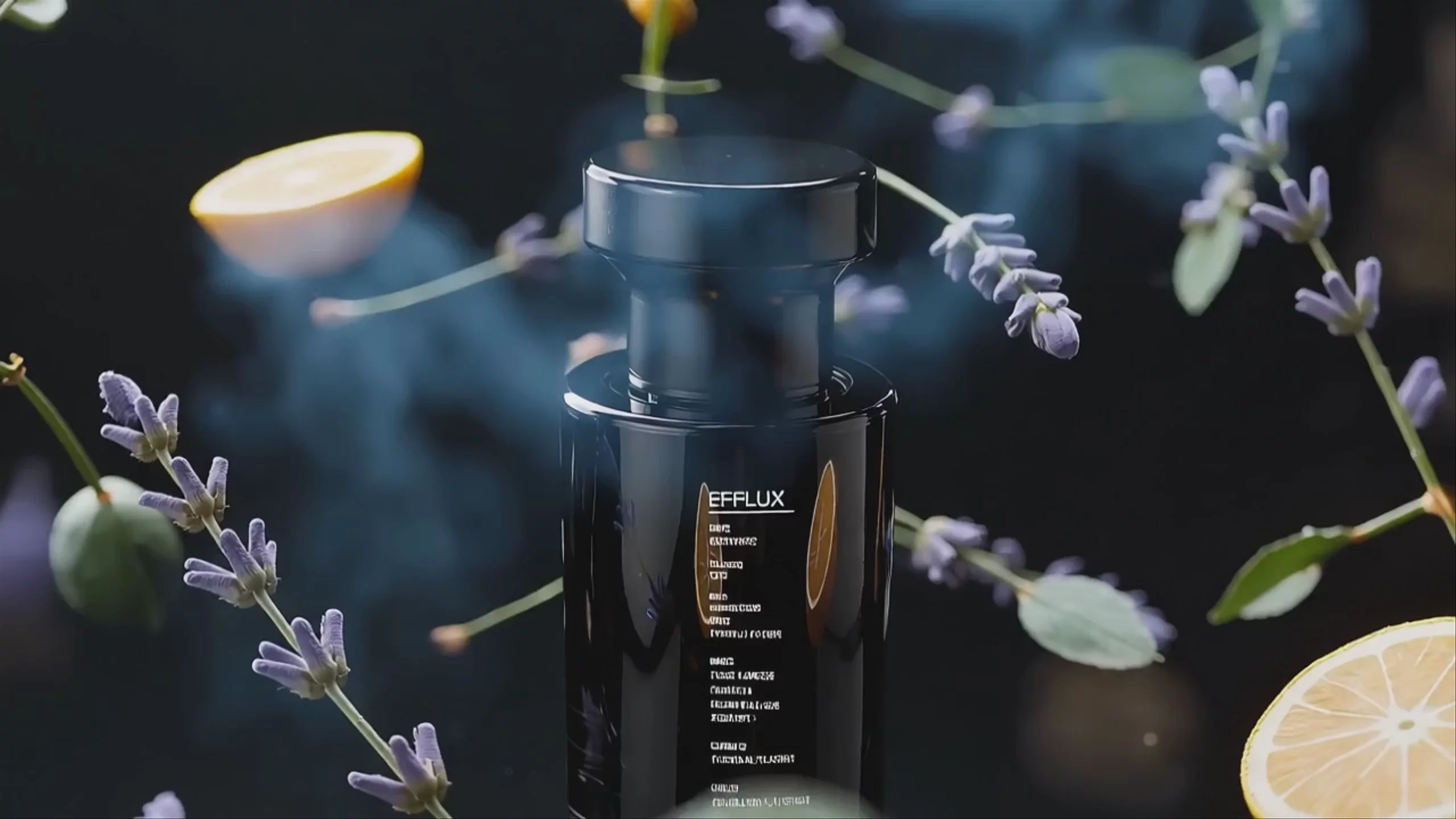
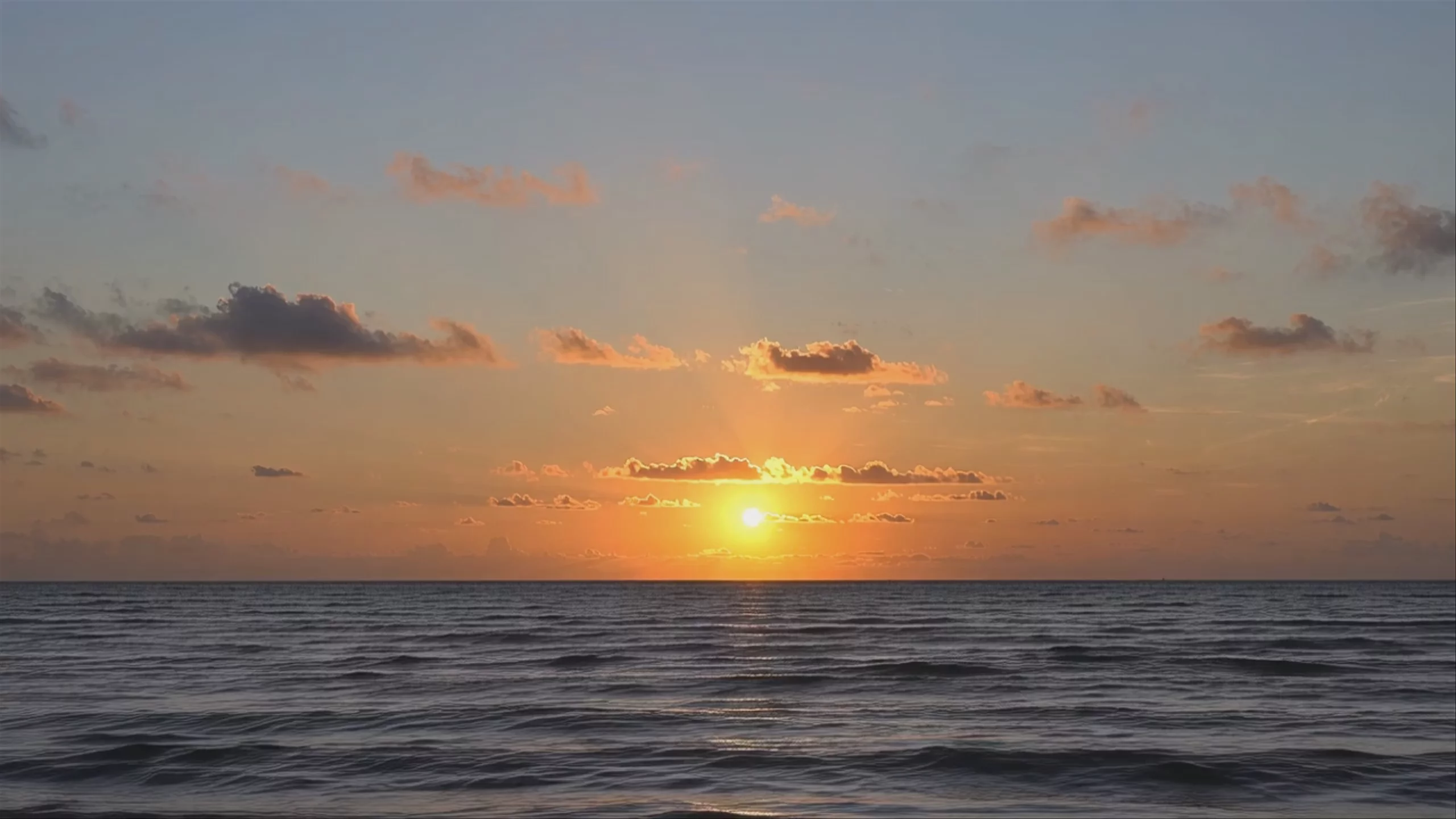
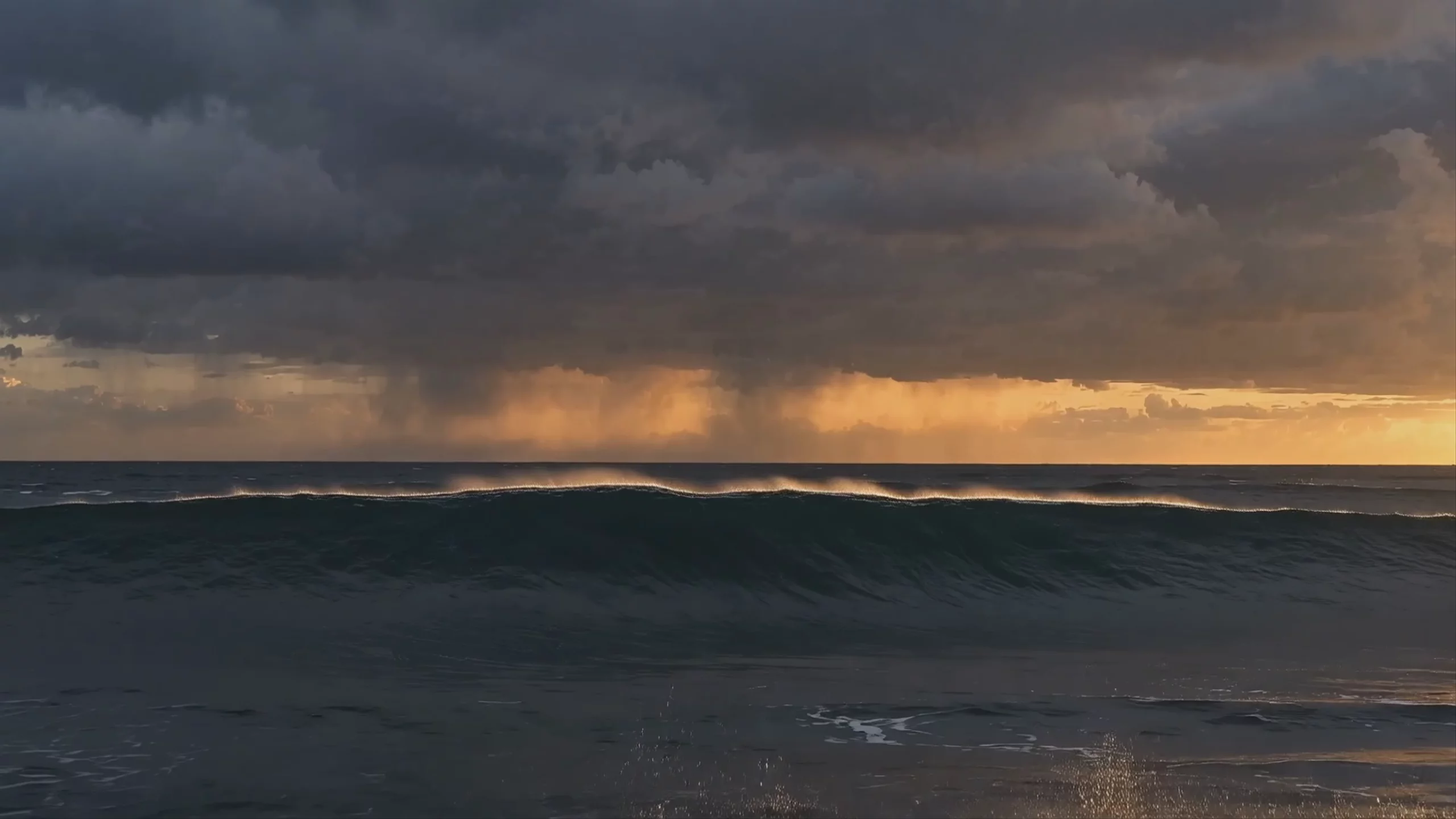
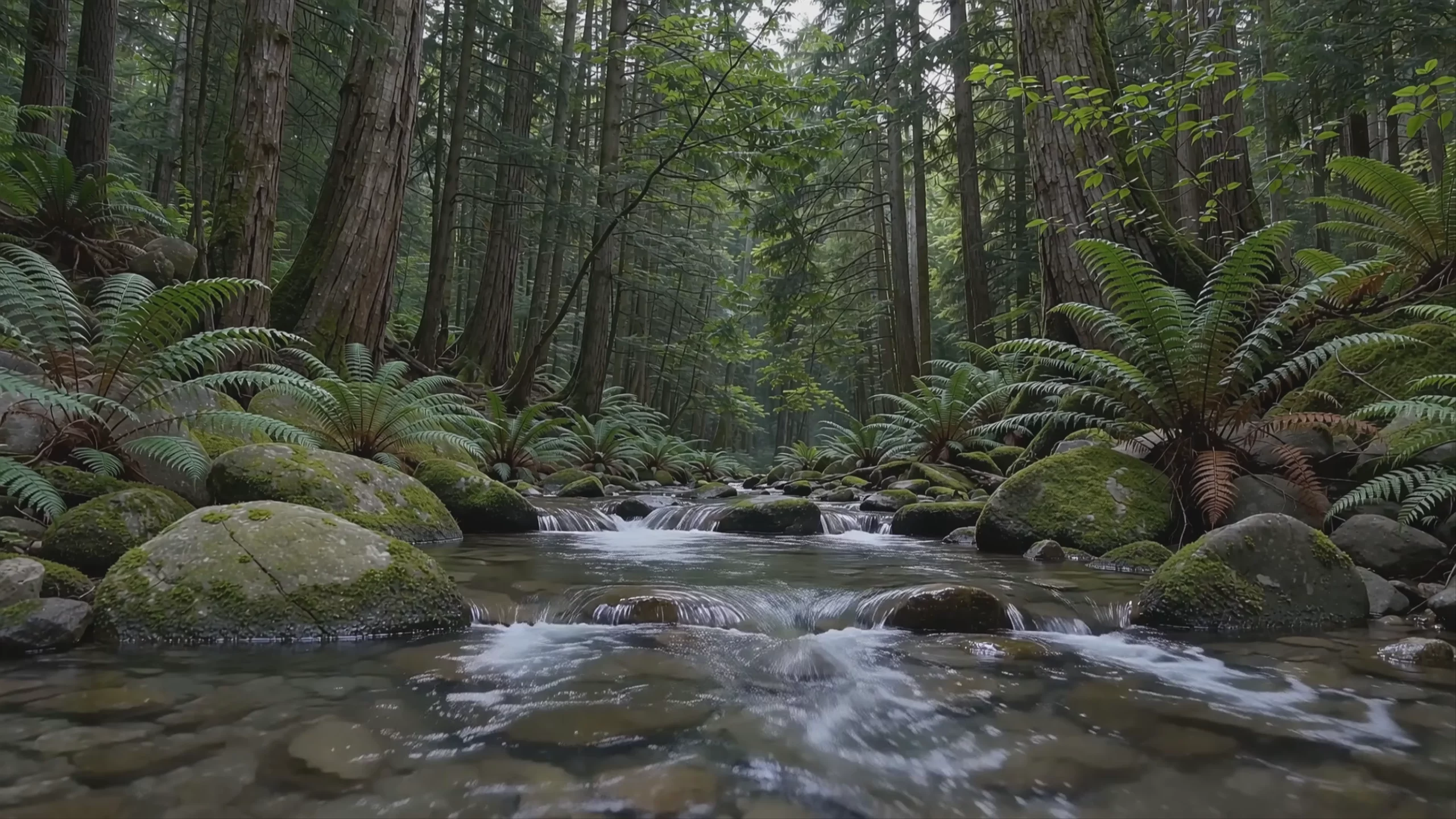
Text → Video examples
What is Happy Horse best for?
Happy Horse is Alibaba's native multimodal video model, built to generate video and matching audio together rather than dubbing sound on afterward. That makes it strong for dialogue-driven and multilingual work: it does synchronized lip-sync in seven languages (Mandarin, English, Cantonese, Japanese, Korean, German, and French). It produces cinematic 1080p multi-shot clips with consistent characters, and on its debut it topped the Artificial Analysis Video Arena — ranking ahead of ByteDance's Seedance 2.0 and Kuaishou's Kling on the no-audio leaderboards.
Who created Happy Horse, and when was it released?
Happy Horse (HappyHorse-1.0) was built by Alibaba's Taotian Group, led by Zhang Di — a former Kuaishou vice president and technical lead on Kling AI who returned to Alibaba in November 2025. The model first appeared anonymously atop the Artificial Analysis Video Arena around April 7, 2026; Alibaba confirmed it was behind the model on April 9–10, and rolled out a public API later in April 2026 through Alibaba Cloud's Bailian platform.
How does Happy Horse fit into Alibaba's model lineup, and is it open?
It is the successor to Alibaba's earlier Wan (Tongyi Wanxiang) video series — which had been sitting mid-pack — and leapfrogged it to #1 on the Artificial Analysis Video Arena, ahead of rivals including ByteDance's Seedance 2.0, Kuaishou's Kling, and OpenAI's Sora 2. Alibaba open-sourced HappyHorse-1.0 under Apache-2.0, with model weights and a public repository released alongside the launch.
What makes Happy Horse technically unusual, and how should you prompt it?
Under the hood it's a 15-billion-parameter single-stream Transformer: text, image, video, and audio tokens are packed into one sequence (40 layers — modality-specific projections only at the first and last four, shared parameters across the middle 32), which is what lets it generate picture and sound natively in sync. DMD-2 distillation trims generation to roughly 8 steps — about 38 seconds for a 1080p clip on a single H100. For prompting, treat it like a director giving instructions: keep prompts concise and specific rather than piling on buzzwords, and spell out the dialogue or sound you want so the synchronized audio and lip-sync have something to lock onto.
Similar models
Prompt tips
- Keep it to 20 words: Stick to a strict formula: [Subject] [does action] in [setting], [time of day], [one atmosphere or camera cue].
- Don't over-describe: Skip exhaustive wardrobe details or lighting recipes; extra detail eats into the model's generation budget and degrades biomechanics.
- Use character tokens for consistency: In Reference-to-Video mode, map your uploaded images to
character1,character2, etc., in the prompt to maintain multi-character stability. - Describe motion explicitly: Use clear camera language (e.g., "slow dolly in," "orbit left," "locked off") rather than vague action words to get the best cinematic movement.