Generate AI UGC video that reads as a real person.
A photo and a script become a take in the register the feed rewards — unpolished, spoken, believable — with your actual product in frame. As many faces and voices as the test plan needs.
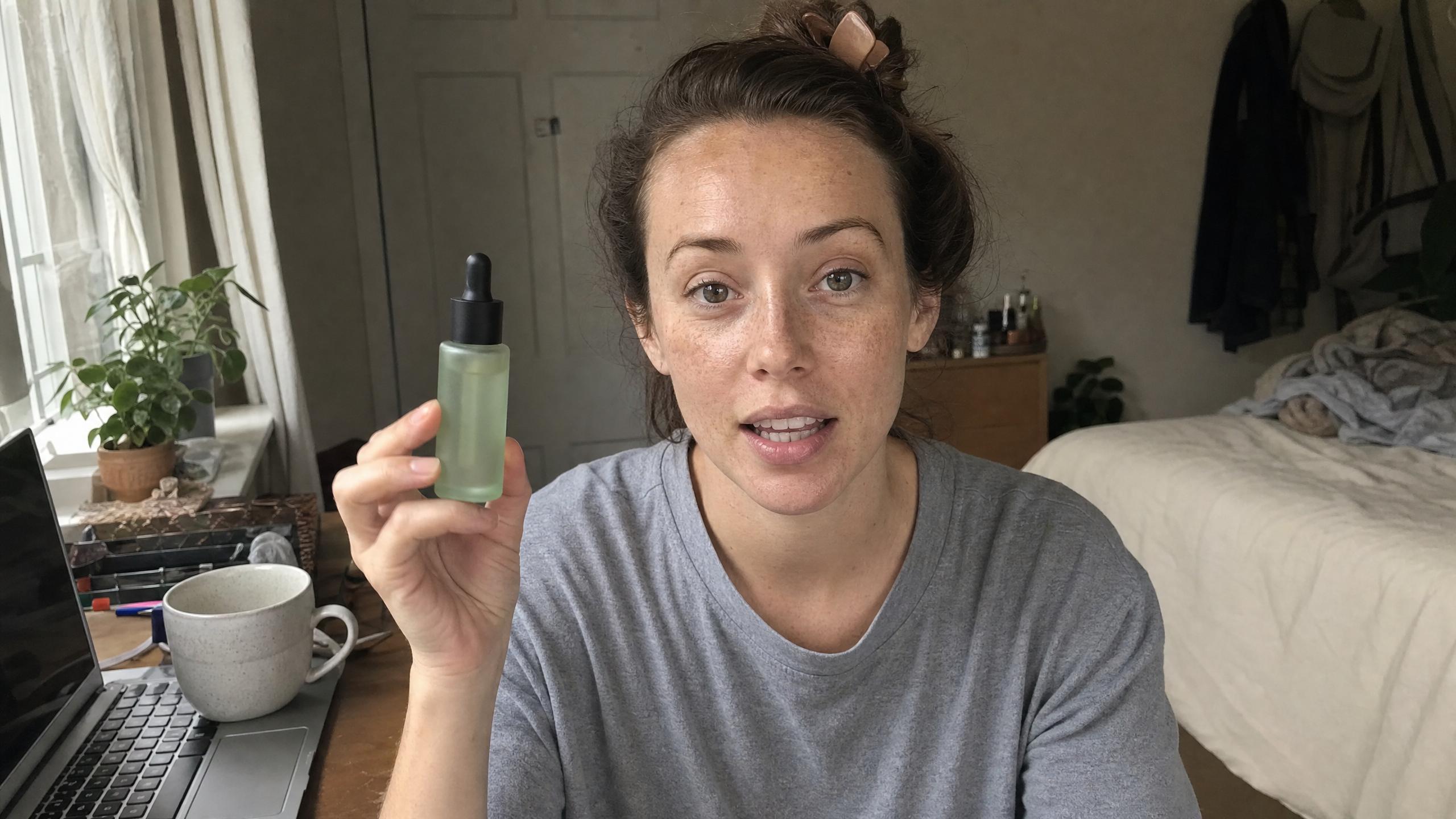
"Okay so I've had this three weeks, and I genuinely wasn't expecting it to do anything."
It works because it doesn’t look like an ad.
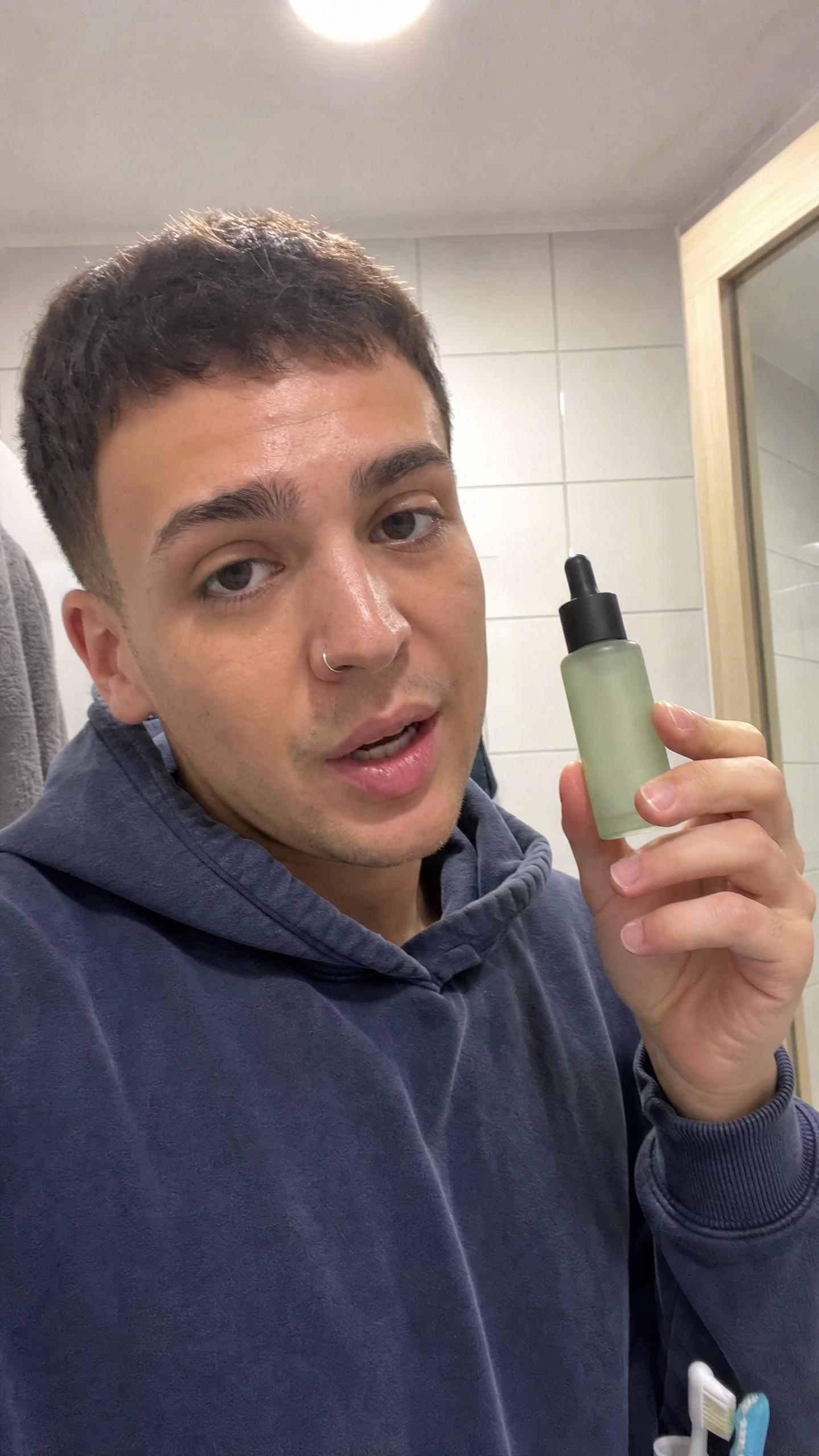
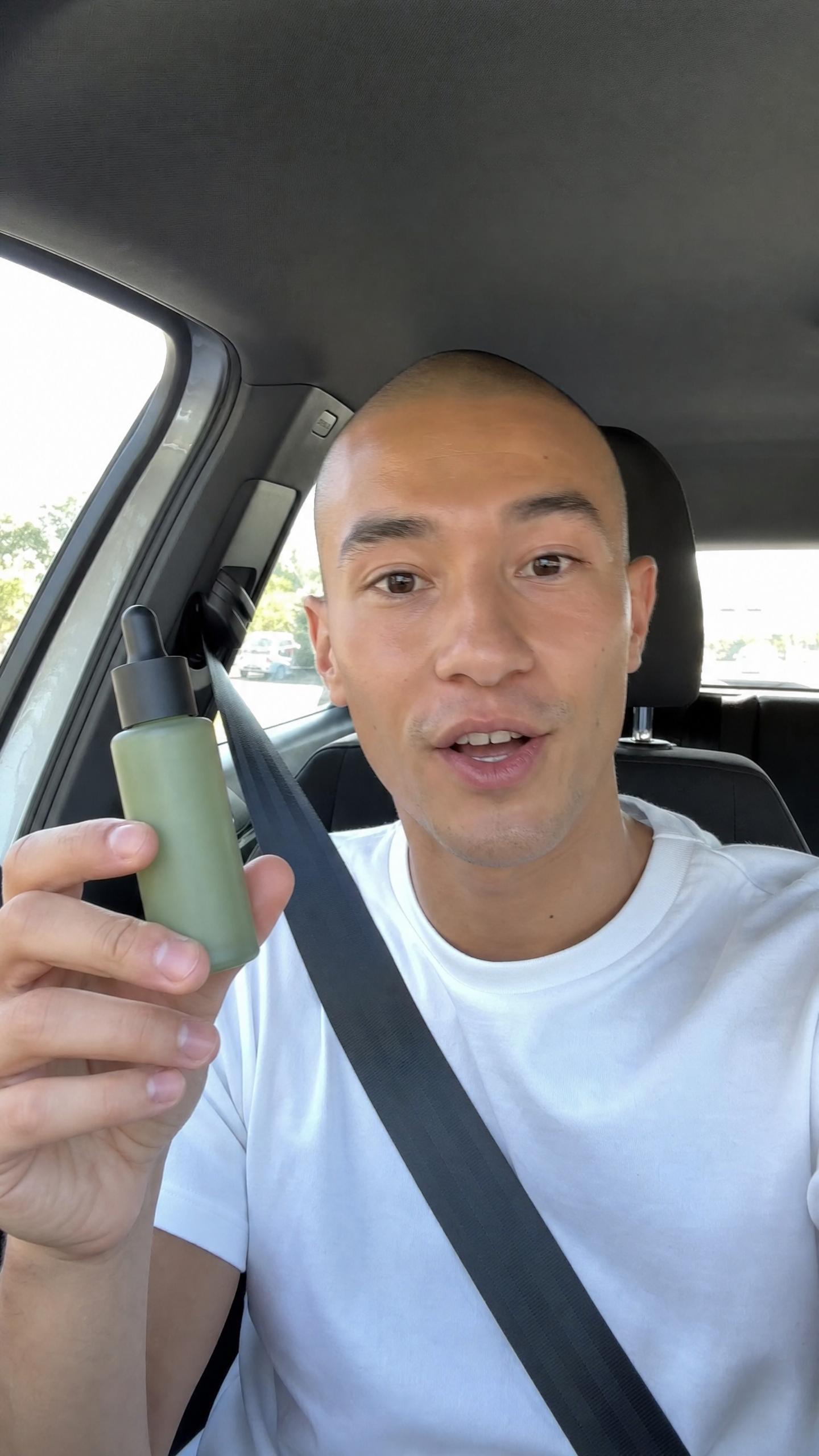
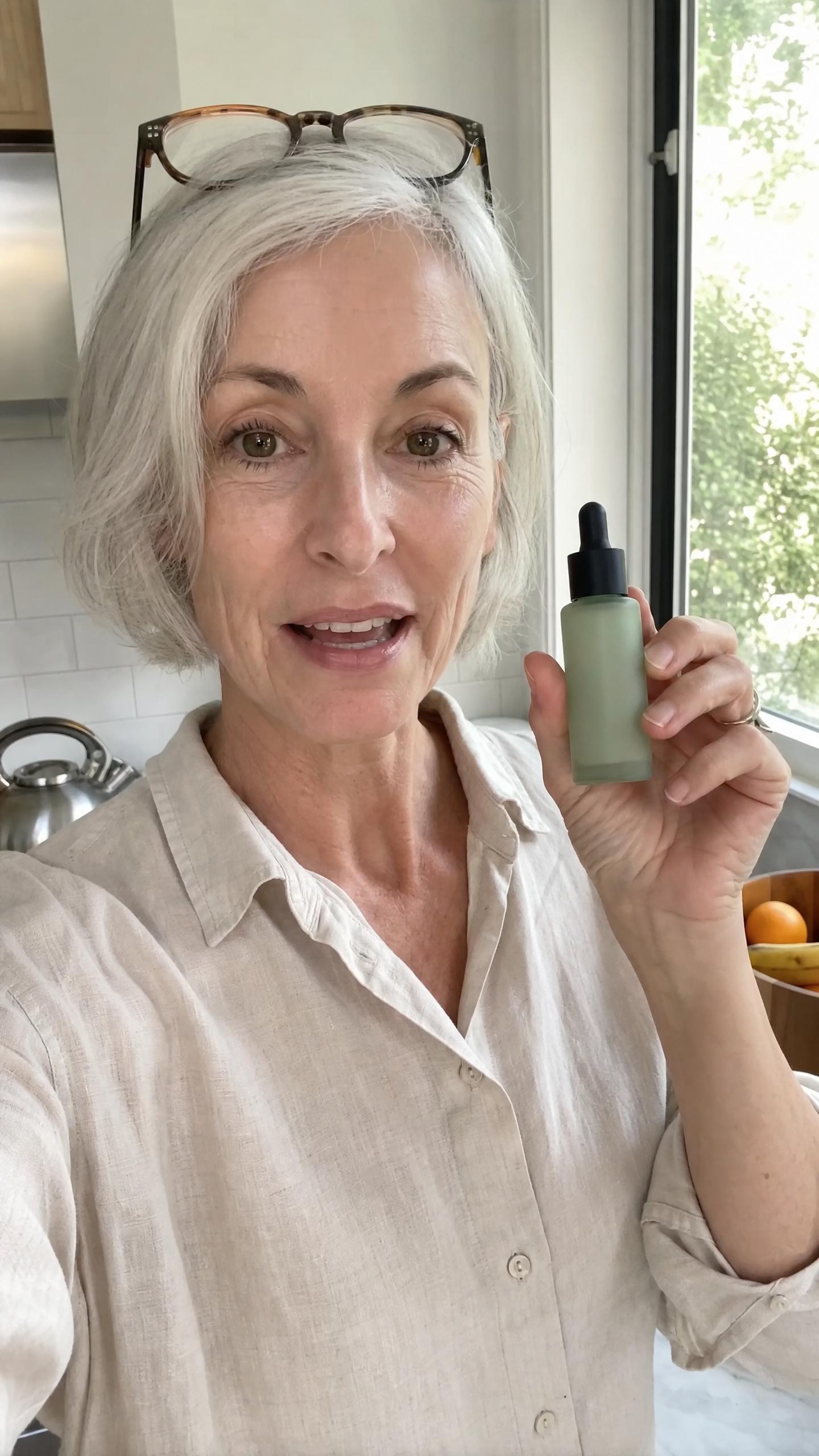
A different person every time.
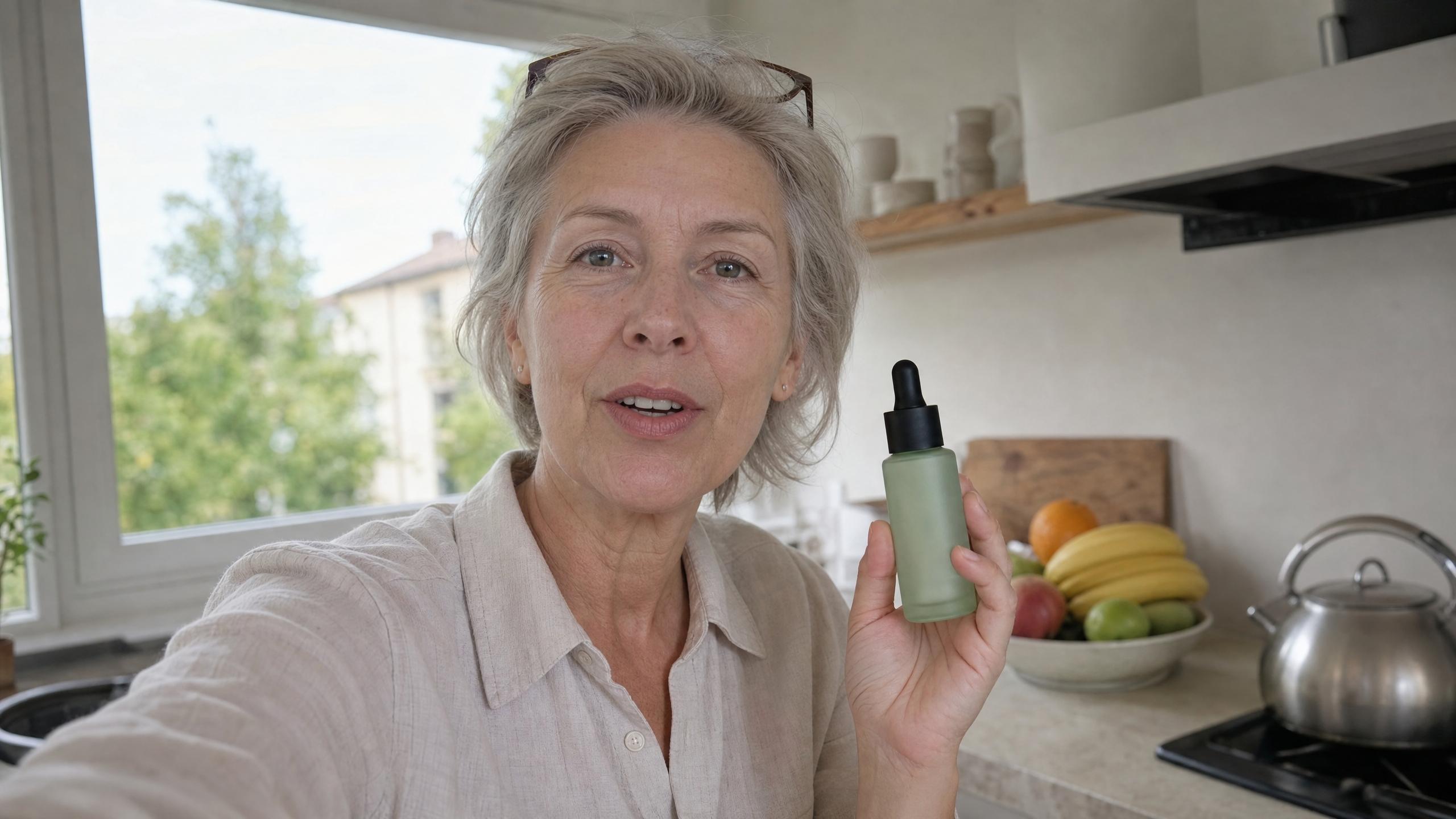
The reason a brand pays five creators is that one face only reaches the people who see themselves in it. Same product, same script, a bathroom at 7am and a parked car and a kitchen on a Sunday — and you find out which one the audience believes without signing five contracts to learn it.
It has to sound like someone who bought it.
Read a script in a voiceover register and the whole thing collapses — a feed can smell a brand at half a second. What survives is a person talking the way people talk: a hesitation, a dry aside, a sentence that starts over. Give the model the line and the performance is what comes back, in whatever language the market speaks.
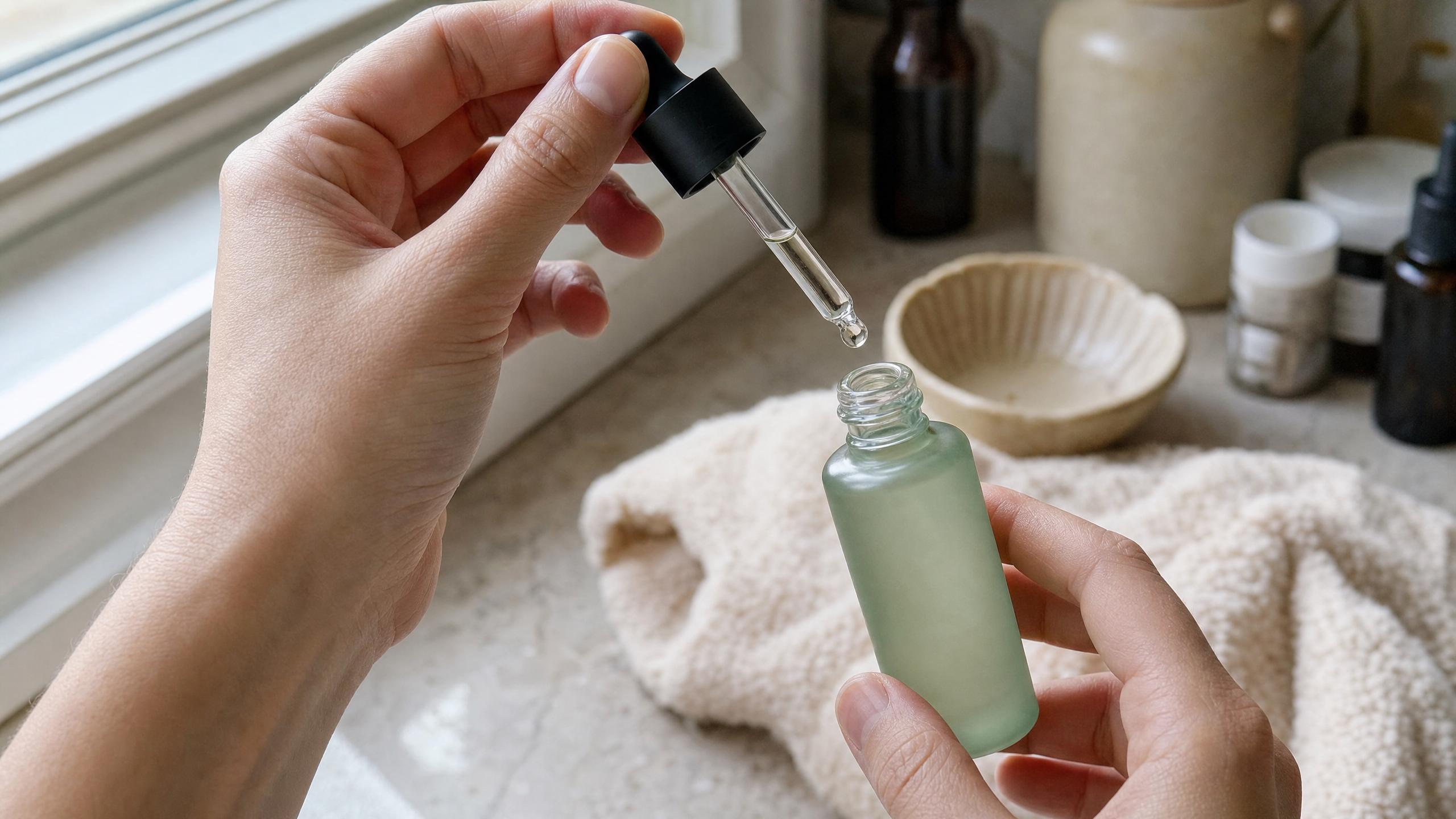
The thing in their hand is your thing.
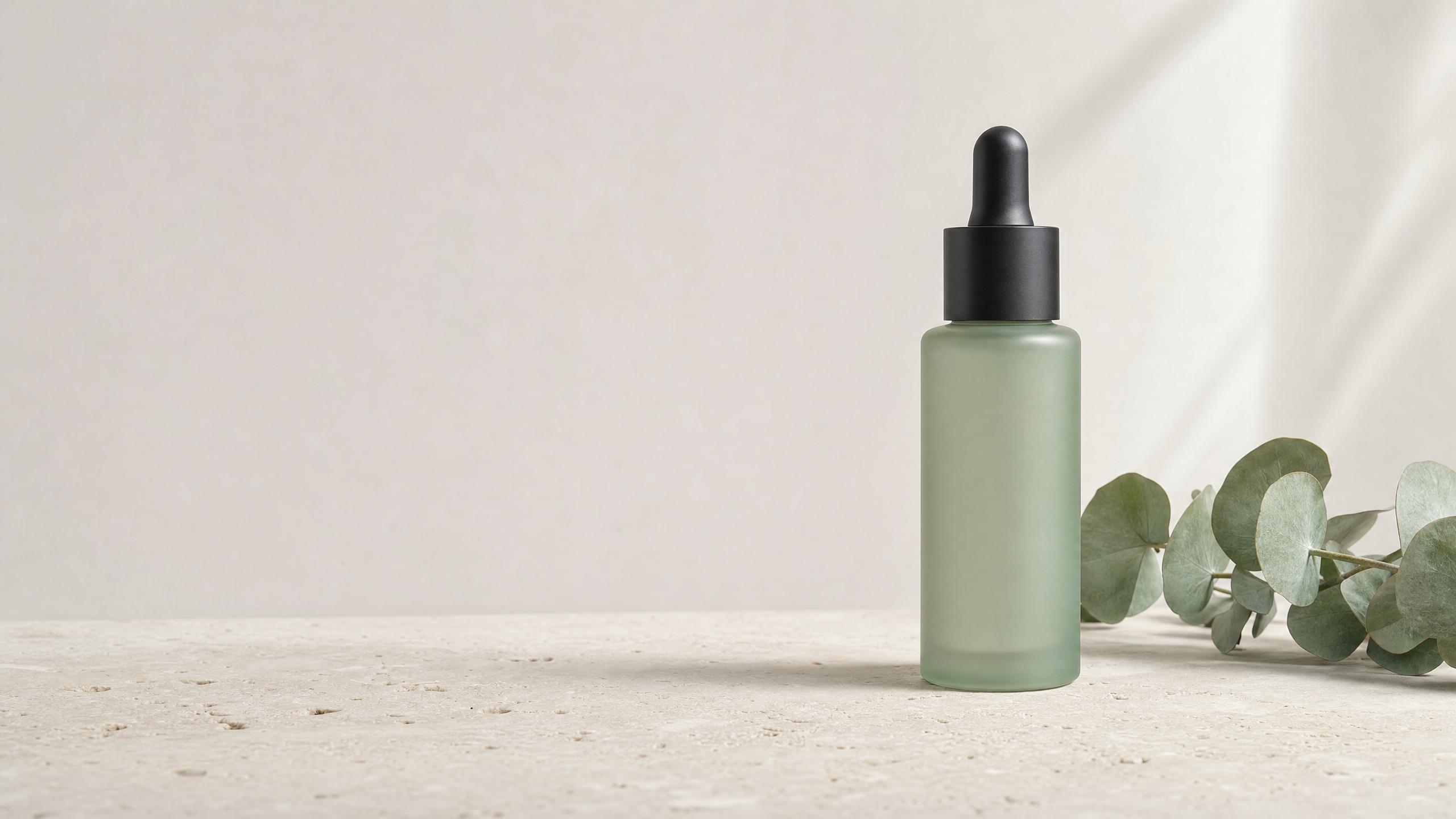
The failure mode of synthetic UGC is a product that is almost right — a label off by a word, a cap the wrong shape. Anchor every scene to the real product photo and the bottle in the bathroom is the bottle on the shelf, down to the glass and the dropper, however many rooms you put it in.
Every model that can put words in a mouth.
Built for visual inference.
Serving video is a different problem from serving text — a single request can saturate a GPU, and none of the tricks that made language models cheap apply. Hedra's engine was built for exactly that workload.
Whichever model you choose — ours or anyone else's — it runs on the same infrastructure, behind one key, priced per second of output. Which is why a cast of five is a scheduling question rather than a budget one: five takes cost five takes.
Generate with API or Agent
Build with the API
One key, every model, priced per second of output. Generate the whole cast from the tool your team already briefs in.
Make one now.
No code — drop in a photo, paste the script, export the take.
FAQs
It depends almost entirely on the inputs. A real product photo, a script written the way someone actually speaks, and a model chosen for performance rather than polish will hold up in a feed; a studio-lit frame reading ad copy will not, however good the model is.
AI video ads →