AI Video and Social Media Trends Shaping Content in 2026
AI video trends and social media trends are converging in 2026, reshaping how creators and marketing teams produce, distribute, and measure content. The shift is not subtle. A survey of more than 6,500 creators across 140 countries found that 87% of creative professionals now use AI tools in their workflows, with 66% using them on a weekly basis (Artlist, 2025). At the same time, social platforms are prioritizing video at every level of their algorithms, making video fluency a requirement for visibility.
This guide breaks down the most significant AI video trends and social media trends for 2026, backed by current data. Whether you are building a content calendar for a brand or scaling your own creator business, these shifts will define what works and what falls flat this year.
Why AI Video and Social Media Are Now Inseparable
Video has been the dominant content format on social media for several years. What changed in 2026 is the speed and scale at which teams can produce it. AI video generation has eliminated the production bottleneck that once separated brands with large budgets from everyone else.
The numbers confirm this acceleration. According to Wyzowl's 2026 annual survey, 91% of businesses now use video as a marketing tool, matching the all-time high first set in 2023 (Wyzowl, 2026). Meanwhile, 68% of marketing leaders say YouTube drives the most business impact of any social platform, according to Sprout Social's 2025 Impact of Social Media Report (Sprout Social, 2025).
The convergence of these two forces creates a new reality. AI gives teams the ability to produce video at the volume social platforms demand. Social platforms give that video an audience and measurable distribution. Understanding both sides of this equation is essential for anyone creating content in 2026.

Trend 1: Short-Form Video Remains Dominant, but Formats Are Expanding
Short-form vertical video continues to drive the most reach and engagement across social platforms. TikTok, Instagram Reels, and YouTube Shorts have created feature parity, making this format a universal requirement rather than a platform-specific tactic.
What is new in 2026 is the expansion of acceptable lengths. YouTube Shorts now supports videos up to three minutes long. Instagram has extended Reels to support videos up to 20 minutes. TikTok allows uploads of up to 10 minutes. These changes signal that platforms recognize audiences want both quick hits and deeper content within the same feeds.
The strategic implication is clear. Creators and brands no longer need to choose between short-form and long-form. The most effective social media strategies in 2026 use both, often from the same source material. A single AI-generated video can be exported as a 15-second teaser for Reels, a 90-second explainer for TikTok, and a full-length walkthrough for YouTube.

Trend 2: AI-Powered Video Production Is the New Baseline
AI is no longer an experiment in video creation. It is the standard operating procedure for teams that need to produce content consistently. The Artlist AI Trend Report found that 37% of creators use AI primarily for ideation, 26% for faster editing, and 24% across the full creative process (Artlist, 2025).
This shift changes the competitive landscape. When anyone can produce polished video from a browser, production quality stops being a differentiator. The Artlist report confirms this directly: 63% of creators now prioritize commercial rights and strategic viability over pure production quality. The advantage moves from execution to creative direction, storytelling, and brand strategy.
For marketing teams, this means investing in creative leadership alongside AI tools. The teams producing the strongest results in 2026 are those pairing AI video generation with clear brand voice, audience insight, and distribution strategy. The technology handles the production. The humans handle the vision.
Trend 3: Social Search Is Replacing Traditional Discovery
One of the most significant social media trends in 2026 is the rise of social search. According to Sprout Social's Q2 2025 Pulse Survey, nearly one in three consumers now skip Google entirely, starting their search journey on platforms like TikTok, Instagram, or YouTube. Among Gen Z, that number rises to more than half (Sprout Social, 2025).
This behaviour shift has direct implications for video content strategy. Every video published on social media is now a searchable asset. Captions, spoken words, on-screen text, and hashtags all contribute to how platforms index and surface content to searchers. Brands that optimize their video content for social discovery will reach audiences that never would have found them through traditional search.
The practical application is straightforward. Write captions with natural language keywords. Speak key phrases clearly within the video itself, as AI-powered search increasingly indexes audio. Align on-screen text with the topic of the video. Treat every post as a potential answer to a question your audience is asking.
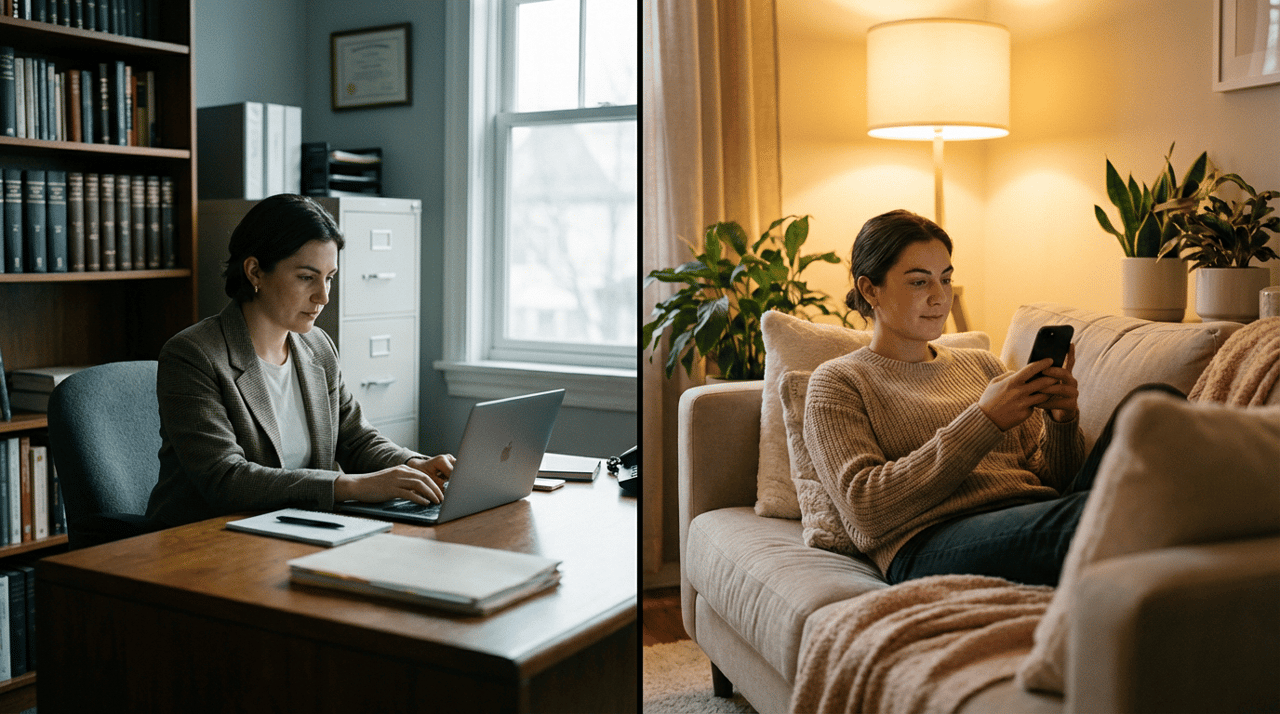
Trend 4: Character Consistency Has Become Table Stakes
Maintaining the same character appearance, clothing, and styling across multiple video scenes was a technical achievement six months ago. In 2026, it is a baseline expectation for professional content. Branded video series, episodic storytelling, and campaign work all require recognizable characters that audiences can follow across multiple touchpoints.
Character-centric AI models have matured to meet this demand. These models jointly process image, text, and audio to generate expressive, performance-driven video with natural facial movements, body language, and audio-driven facial animation. The result is video content where AI-generated characters deliver consistent performances across hundreds of scenes without losing visual fidelity.
This trend matters especially for brands building long-term content strategies. A character that audiences recognize and trust becomes a brand asset, similar to how mascots and spokespeople function in traditional advertising. AI makes this achievable at a fraction of the cost and timeline of live-action production.
Trend 5: Personalization at Scale Is Moving from Concept to Execution
Personalization in video marketing has been discussed for years. In 2026, AI video generation is making it operational. The ability to produce video variants tailored to specific audience segments, languages, and contexts turns a single creative concept into dozens of targeted executions.
Consider the workflow. A brand creates one core video featuring a talking character delivering a product message. From that single production, the team generates versions in multiple languages using AI voice and audio-driven facial animation. Each version adjusts the script to address different buyer personas. The visual style stays consistent while the message adapts.
This approach is particularly powerful for global teams. Instead of coordinating separate production runs for each market, one creative brief produces localized content for every region. The result is faster time to market, lower production costs, and messaging that feels native to each audience rather than translated.

Trend 6: UGC-Style Content Continues to Outperform Polished Production
User-generated content style video continues to drive stronger engagement and conversion than highly produced brand content on social platforms. The format signals authenticity, which audiences value in an era of increasing AI-generated content and advertising saturation.
AI video generation enables brands to produce UGC-style content at scale without relying on external creators. Generate a character, write a conversational script, and export in vertical format. The result looks and feels like a real person sharing their experience, which performs well in social feeds where audiences scroll quickly past anything that feels like a traditional advertisement.
The key to making this work is restraint. UGC-style content performs because it feels genuine, not because it is low quality. Use natural lighting references in your prompts. Keep camera movements simple. Write scripts that sound like conversation, not copy. The goal is content that blends into the social feed while carrying your message effectively.
Trend 7: Community and Conversation Are Outweighing Follower Counts
Among the social media trends gaining the most momentum in 2026 is the shift from public reach to private engagement. Broadcast channels on Instagram, Discord servers, Reddit communities, and direct messages are becoming the spaces where brand loyalty is built and maintained.
According to Sprout Social's Q4 2025 Pulse Survey, interacting with audiences in smaller spaces and creating surprise-and-delight moments are the top priorities Gen Z wants from brands on social in 2026 (Sprout Social, 2025). Roughly three-quarters of social users agree a brand should reply on social within 24 hours, and most said they would buy from a competitor if a brand fails to respond.
Video plays a central role in this shift. Short, personal video responses to community questions, behind-the-scenes clips shared exclusively in private channels, and interactive live sessions all create the kind of direct connection that static posts cannot. AI video makes it practical to produce this type of responsive, community-driven content without overwhelming your production team.
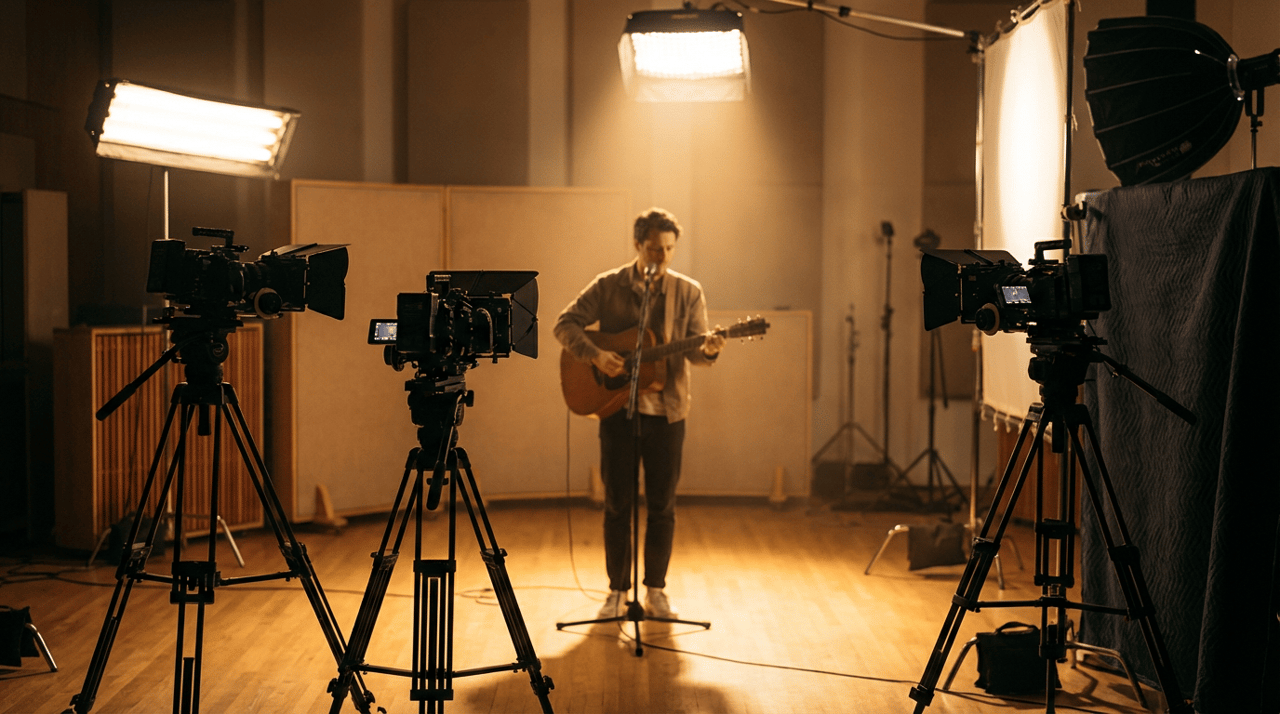
Trend 8: Cinematic Control Is Becoming Standard in AI Video
Early AI video generation offered limited control over camera movement, lighting, and composition. In 2026, creators can direct AI video using actual cinematography language. Camera movements like dolly, crane, pan, and zoom are integrated controls that shape narrative pacing and emotional impact.
This evolution matters because it closes the gap between AI-generated clips and professionally directed sequences. Creators can specify camera angles and movement in their prompts, and the model executes with cinematographic understanding. Extended shot durations, now reaching up to 20 seconds in some models, enable proper visual storytelling where moments can breathe and tension can build.
For brands producing content that needs to feel premium, this is a significant development. Product reveals, brand films, and editorial-style content all benefit from the level of visual direction now possible through AI. The tools are accessible through text-based prompts, which means you do not need a cinematography background to create visually sophisticated video.
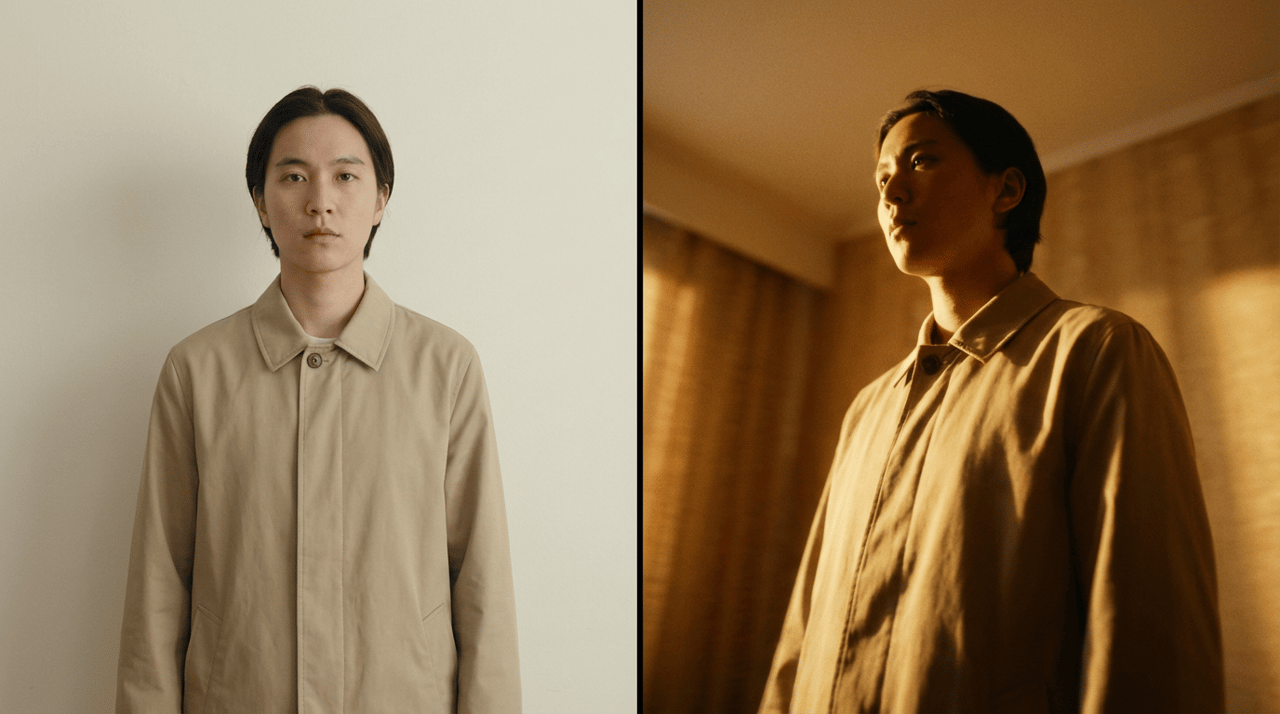
Trend 9: Integrated Workflows Replace Fragmented Tool Stacks
One of the most practical AI video trends for 2026 is the consolidation of creation tools into unified platforms. The era of jumping between a text-to-image generator, a separate video model, an audio tool, and then an editing application is ending.
Visual creation platforms that combine image generation, video generation, audio production, and upscaling into a single workspace are becoming the standard for professional content teams. This integration eliminates file format conversions, reduces context switching, and keeps the entire creative process in one place.
The efficiency gains compound over time. When your image generation, video generation, and audio tools all exist within the same environment, you build workflows that are repeatable and scalable. Templates, saved prompts, and consistent model choices create a production system rather than a series of one-off projects.
Trend 10: Authenticity Is the Counter-Trend to AI Saturation
As AI-generated content floods every social platform, audiences are developing sharper instincts for what feels real. The Artlist AI Trend Report identifies a key counter-trend: the most effective creators in 2026 are using AI as an ideation and production engine while investing more deliberately in genuine human connection (Artlist, 2025).
This does not mean avoiding AI. It means using AI to handle production tasks while ensuring the creative direction, storytelling, and audience interaction come from real people with real perspectives. Brands that disclose their use of AI and keep humans in charge of narrative decisions are maintaining audience trust even as their production volume increases.
The practical takeaway is to build AI into your workflow without building your identity around it. Use AI to produce more video, faster. Use human judgment to decide what stories to tell, what tone to strike, and what your audience actually needs. The technology serves the strategy. It does not replace it.

How to Apply These Trends to Your Content Strategy
Understanding trends is only useful if you translate them into action. Here is a practical framework for incorporating these AI video trends and social media trends into your content planning.
Audit your current output. Review the last 30 days of your social content. How much is the video? How much of it uses AI in any part of the workflow? Identify the gaps between where you are and where these trends suggest you should be.
Build a video-first content system. Start with one core video concept per week. Use AI to generate that concept, then export it in multiple formats for different platforms. A single AI-generated video can become a Reel, a Short, a TikTok, a LinkedIn clip, and a website embed.
Optimize for social search. Add natural language keywords to your captions, scripts, and on-screen text. Think about what your audience would type into TikTok or Instagram search, and make sure your content answers those queries.
Invest in character and brand consistency. Develop a visual identity for your AI-generated content that is as deliberate as your brand guidelines. Standardize your prompts, choose models that match your aesthetic, and maintain visual continuity across every piece of content.
Measure what matters. Track engagement quality over vanity metrics. Comments, saves, shares, direct messages, and conversion actions tell you more about content effectiveness than views or follower counts.
Frequently Asked Questions
What are the biggest AI video trends in 2026?
The most significant AI video trends in 2026 include the shift from production quality as a differentiator to creative direction as the competitive edge, the rise of character-consistent AI video for branded content, integrated creation platforms that combine all production tools in one workspace, and AI-powered personalization that enables localized video variants at scale.
How are social media trends affecting video content strategy?
Social media trends in 2026 are driving video to the centre of every content strategy. Short-form vertical video remains the primary engagement format, but platforms now support longer formats as well. Social search is replacing traditional discovery, community engagement is outweighing follower counts, and UGC-style content continues to outperform polished brand production.
Do I need AI tools to stay competitive on social media in 2026?
AI tools have become the standard for teams producing video content at the volume social platforms demand. A survey of 6,500 creators found that 87% already use AI in their workflows (Artlist, 2025). While it is possible to produce content without AI, teams that adopt AI video tools are producing more content, faster, and at lower cost.
How do I optimize AI video for social search?
Write captions with natural language keywords that match how your audience searches. Speak key phrases clearly within the video, as AI-powered search increasingly indexes audio content. Use on-screen text that reinforces the topic. Treat every video post as a searchable asset that can surface in platform search results.
What is the most effective video length for social media in 2026?
Effective length depends on the platform and objective. Videos under 60 seconds drive the highest engagement rates on most platforms. However, platforms now support longer formats, with YouTube Shorts allowing up to three minutes and Instagram Reels supporting up to 20 minutes. The most effective strategy uses a mix of lengths tailored to each platform and content goal.
How do I maintain authenticity when using AI for video production?
Use AI for the production tasks it handles well: generation, editing, formatting, and localization. Keep creative direction, storytelling decisions, and audience interaction in human hands. Develop a clear brand voice and visual identity that guides your AI output. Audiences respond to genuine perspective and intention, not production method.
Key Takeaways
- AI video and social media are now fully integrated, with 91% of businesses using video as a marketing tool and 87% of creators using AI in their workflows (Wyzowl, 2026; Artlist, 2025).
- Short-form vertical video remains the dominant social format, but platforms are expanding length limits, enabling creators to produce both quick-hit and in-depth content from the same source material.
- Social search is replacing traditional discovery, with nearly one in three consumers starting their search journey on social platforms rather than Google (Sprout Social, 2025).
- The competitive advantage in 2026 has shifted from production quality to creative direction, brand strategy, and audience understanding, as AI makes polished video accessible to everyone.
- Authenticity is the counter-trend to AI saturation. Teams that use AI for production while keeping storytelling and community engagement in human hands will build the strongest audience relationships.
What will you create?
Try Hedra free and go from concept to production in minutes.
Related Reading: